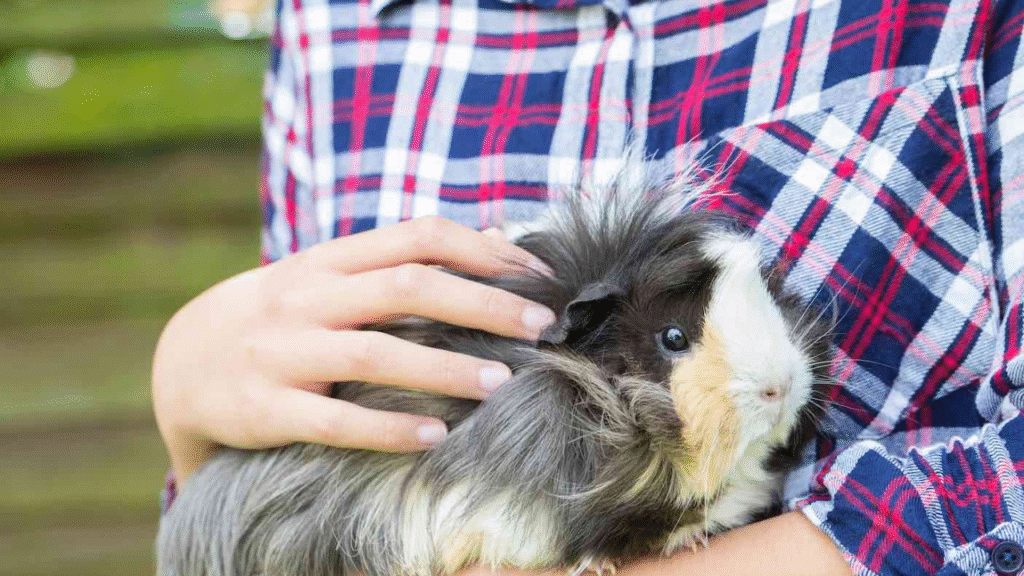
Outdoor cat enclosure ideas with greenhouse charm combine the safety of a fully enclosed structure with the warmth, light, and botanical abundance of a garden greenhouse — giving cats access to fresh air, sunlight, and sensory richness while keeping them protected from predators, traffic, and disease. This article gives you exactly 23 ideas spanning full catio builds, tunnel systems, window attachments, planting schemes, lighting, and small-space solutions so every home and every cat finds its match.
There is a particular quality of light inside a well-built catio on a summer morning — green filtering through climbing vines, a cat stretched across a wooden shelf in a warm patch of sun, the smell of lavender and warm timber drifting through wire mesh. It is the feeling of a greenhouse and a garden room simultaneously, a space that serves the cat completely while belonging unmistakably to the garden. Here are 23 ideas worth saving — and building.
Why Outdoor Cat Enclosure Ideas with Greenhouse Charm Work So Well
The modern catio — a portmanteau of cat and patio — emerged as a design category in the early 2000s as the indoor cat movement gained traction among veterinarians and wildlife conservationists simultaneously. The American Bird Conservancy and the ASPCA both advocate for keeping cats indoors or in enclosed outdoor spaces, citing both the dramatically extended life expectancy of indoor-outdoor cats in enclosures (average 12–18 years) versus fully outdoor cats (average 2–5 years in urban environments) and the significant reduction in wildlife predation that enclosed cats represent. What the greenhouse charm aesthetic adds to the functional catio is a design philosophy: the enclosure should belong to the garden as much as it belongs to the cat, constructed from materials and planted with botanicals that read as garden architecture rather than pet containment.
The core materials that define the greenhouse-inspired catio include powder-coated steel or aluminum framing in black or dark forest green (referencing Victorian greenhouse construction), cedar or Douglas fir timber for framing and shelving (both naturally insect and rot-resistant without chemical treatment), galvanized or vinyl-coated hardware cloth in 1/2-inch or 1/4-inch mesh (finer than standard chicken wire, which cats can push through), tempered glass or twin-wall polycarbonate panels for roofing (the latter providing diffused light and significant insulation), and planting materials including non-toxic climbing plants — jasmine, passion flower, cat-safe herbs, and climbing roses. Color palette centers on forest green, warm black, natural cedar, and the warm amber of aged timber, punctuated by the greens and florals of living plants.
Pinterest searches for “catio ideas” and “cat enclosure garden” grew by over 200% between 2020 and 2024, driven by the pandemic-era pet adoption surge combined with an increasing mainstream design interest in structures that serve both humans and animals simultaneously. The greenhouse aesthetic specifically has dominated the catio design conversation on Instagram and Pinterest since 2022, fueled by a broader cultural movement toward biophilic design — the intentional incorporation of natural materials, living plants, and organic forms into built structures. A catio that looks like a Victorian lean-to greenhouse signals design sophistication to the human eye while delivering exactly the sensory environment a cat craves.
Small gardens, balconies, and even apartment patios can accommodate a greenhouse-charm catio with honest planning. A lean-to catio attached to an exterior wall can be as narrow as 3 feet deep and as short as 4 feet wide while still providing meaningful enrichment space for one or two cats. The honest limitation for truly small spaces (balconies under 40 square feet): a freestanding greenhouse structure will occupy the majority of the space, so a window box catio or a wall-mounted tunnel system may serve better. Every idea in this list includes a size indication to help with planning.
Style at a Glance
| Element | Functional Core | Greenhouse Charm Edge |
|---|---|---|
| Philosophy | Safe outdoor access | Garden architecture for cats |
| Materials | Hardware cloth, cedar, steel | Polycarbonate, glass, aged timber |
| Color Palette | Forest green, warm black | Natural cedar, aged brass, climbing botanical |
1. Lean-To Greenhouse Catio Attached to the House Exterior

Vibe: The structure feels garden-integrated — less like a pet enclosure and more like a Victorian conservatory that happens to have a cat door.
Why it works: The lean-to form is the most structurally efficient catio design because it borrows one existing wall (the house exterior) as its back wall, reducing material cost and construction complexity while maximizing the enclosed footprint for the materials used. Dark forest green powder-coated steel framing directly references the aesthetic of Victorian cast-iron greenhouse construction — the color and material combination reads as garden architecture rather than pet infrastructure. Polycarbonate roofing panels allow 80% of available light to pass through while providing UV protection and significant rain and wind resistance.
How to get it: Source a lean-to greenhouse kit in forest green aluminum (standard sizes start at 4×6 feet, which is sufficient for one to two cats) and replace any solid wall panels with 1/2-inch hardware cloth panels for ventilation. Install cedar shelving inside using 2×6 cedar boards mounted on adjustable shelf brackets attached to the house wall. The kit approach reduces material sourcing and cutting time significantly — a lean-to catio from a kit can be completed in a weekend by two adults.
Quick Win: A 4×6 foot aluminum lean-to greenhouse kit ($180–280) converted to a catio by replacing the lower wall panels with hardware cloth panels ($25–40) creates a complete greenhouse-charm catio for under $350 — the most cost-effective full enclosure on this list.
Shop The Look
| Product |
|---|
| Lean-to greenhouse kit aluminum forest green 4×6 |
| Hardware cloth 1/2 inch galvanized 36 inch wide roll |
| Cedar shelf board 2×6 inch 6 foot length natural |
| Adjustable shelf bracket set heavy duty wall mount |
| Cat water fountain ceramic small outdoor safe |
Also view: 15 DIY Dog Nook Ideas with Budget-Friendly Style
2. Freestanding Victorian Octagonal Catio with Pointed Roof

Vibe: The structure feels architectural — a garden folly that a Victorian landscape designer would have placed at the end of a garden path.
Why it works: An octagonal plan form is the most visually sophisticated catio shape because it references the Victorian garden gazebo tradition — a cultural touchstone that reads as garden architecture rather than animal housing to any observer. The eight-sided form also eliminates corners, which are the least interesting zone for cats in a rectangular enclosure — in an octagonal space, every interior angle provides a different sightline and micro-climate. The pointed roof form creates vertical space that cats naturally exploit for high-level perching — the interior roof peak, fitted with a suspended platform or hammock, becomes the most desirable spot in the enclosure.
How to get it: Build the octagonal frame from pressure-treated 4×4 posts at each of the eight corners, connected at top and bottom with 2×4 rails. Each wall panel between posts measures approximately 24–30 inches wide. Alternate hardware cloth panels with cedar board panels on opposite faces — the solid cedar faces provide wind protection while the mesh faces provide ventilation and the coveted view. Build the roof from eight identical triangular rafter sections meeting at a central hub.
Shop The Look
| Product |
|---|
| Pressure treated 4×4 post lumber 8 foot |
| Decorative roof finial weathervane garden green |
| Climbing rose bare root set garden outdoor |
| Hanging rope hammock cat bed small indoor outdoor |
| Forest green exterior wood paint quart cedar |
3. Window Box Catio Attached to a Single Window

Vibe: The window box feels ingenious — a complete outdoor world accessible from a single window sill.
Why it works: A window box catio is the most apartment- and rental-friendly enclosure format because it attaches to the window frame rather than the building structure, requires no ground anchoring, and can be removed without permanent modification. The window remains the entry and exit point — the cat pushes through a cat flap installed in the window glass or an opening window sash. Window box catios work at any floor level including upper floors, which makes them the only viable greenhouse-charm enclosure solution for cats in multi-story apartment buildings.
How to get it: Build a cedar box frame (exterior dimensions approximately 48×36×36 inches) from 2×4 cedar, with 1/2-inch hardware cloth on the front, two sides, and floor. Add a polycarbonate roof panel on hinges for easy cleaning access. Mount to the exterior window frame using heavy-duty L-brackets rated for at least 150 lbs — the brackets attach to the window frame surround, not the siding. Install a cat flap in the bottom of the open window sash.
Shop The Look
| Product |
|---|
| Cedar lumber 2×4 8 foot outdoor construction |
| Polycarbonate panel twin wall 4mm clear roofing |
| Heavy duty L-bracket set 6 inch stainless steel |
| Cat flap door insert window sash medium size |
| Catmint plant seedling outdoor cat-safe |
4. Cedar Tunnel System Connecting House to Main Catio

Vibe: The tunnel feels adventurous and garden-embedded — a secret passage through the garden that happens to be for a cat.
Why it works: An elevated tunnel system connecting the house cat flap to the main catio applies the principle of spatial layering — the cats experience the garden at two heights simultaneously (ground level visible through the mesh, tree level accessible from the main enclosure), dramatically enriching the sensory experience of the outdoor space. Elevating the tunnel to 18 inches allows the garden to continue growing underneath — plants, ground cover, and low plantings pass beneath the tunnel undisturbed. The tunnel system also solves the predator access problem: an elevated tunnel with no ground contact is essentially impossible for most predators to access.
How to get it: Build tunnel sections from cedar 1×2 lumber bent into a circular form and covered in 1/2-inch hardware cloth, secured at 12-inch intervals with cable ties and staples. Alternatively, use 12-inch diameter vinyl drainage pipe with the top half cut away and hardware cloth stapled over the opening for a faster, more uniform build. Mount on cedar 4×4 posts at 4-foot intervals with simple U-bolt saddle brackets.
Quick Win: 12-inch diameter corrugated plastic drainage pipe ($8–12 per 10-foot section) with hardware cloth stapled over the top half and painted forest green creates a functional tunnel section in under 30 minutes per section — the fastest tunnel construction method available.
Shop The Look
| Product |
|---|
| Cedar 1×2 lumber set outdoor construction |
| Cable tie set stainless steel UV resistant outdoor |
| U-bolt pipe saddle bracket set hardware |
| Star jasmine climbing plant outdoor garden |
| Lavender plant set outdoor garden border |
5. Raised Platform Multi-Level Catio with Climbing Posts

Vibe: The structure feels enriching — every surface, height, and angle serves a different feline instinct.
Why it works: Multi-level catio design applies the behavioral principle of vertical territory — cats experience their world primarily vertically, with higher positions conferring status, safety, and behavioral confidence. A three-level enclosure provides the equivalent spatial enrichment of a space three times the floor area of a single-level enclosure, because cats use every level as a distinct territory zone. Sisal rope-wrapped climbing posts serve the additional function of a designated scratching surface, which in an outdoor enclosure means bark and garden furniture remain undamaged. Ramp inclines rather than vertical ladders accommodate older cats and cats with joint mobility limitations.
How to get it: Frame each level from 2×4 cedar, with the first level at 18 inches, second at 42 inches, and third at 66 inches from the ground. Connect levels with 1×6 cedar ramp boards set at a 30-degree angle, surfaced with non-slip sisal matting or rubber grip tape. Wrap the four corner posts with 3/8-inch natural sisal rope using hot glue at the start and end of each wrap to prevent unraveling.
Shop The Look
| Product |
|---|
| Natural sisal rope 3/8 inch 100 foot roll |
| Cedar plank 2×6 outdoor platform surfacing |
| Non-slip sisal mat runner roll outdoor |
| Hanging feather cat toy weather resistant outdoor |
| Wall mount water dispenser gravity fed pet |
6. Stained Glass Panel Accent in a Catio Side Wall

Vibe: The light inside the catio feels luminous — dappled colored patches that shift across the cedar all morning.
Why it works: A stained glass panel in a catio wall applies the principle of decorative light filtration — colored glass transforms standard sunlight into an animated, shifting display of colored patches that changes throughout the day as the sun moves. For cats specifically, the movement of colored light patches across surfaces is a source of visual enrichment that stimulates hunting behavior without requiring any active intervention from the owner. From the exterior, the stained glass panel reads as garden art, elevating the catio from a utilitarian structure to a considered garden feature.
How to get it: Source a small stained glass panel in a botanical pattern (fern, leaf, or floral) from a local glass artist or online marketplace — panels sized 12×16 inches run $45–120 depending on complexity. Frame the panel in a cedar surround built from 1×2 cedar with a rabbet groove routed into the inner edge to accept the glass. Install the framed panel into a corresponding opening cut in the hardware cloth wall, secured with cedar trim pieces on both sides.
Shop The Look
| Product |
|---|
| Stained glass panel botanical leaf pattern small |
| Cedar trim board 1×2 inch outdoor routing |
| Router rabbet bit set woodworking |
| Clay pot small cat grass planting indoor |
| Carved wooden name plaque outdoor pet custom |
7. Herb and Edible Garden Integration Inside the Catio

Vibe: The catio interior feels alive — a working garden that happens to also be a cat sanctuary.
Why it works: Integrating a cat-safe herb garden into the catio floor space applies the principle of sensory enrichment through olfactory stimulation — cats experience the world primarily through scent, and a planted garden within the enclosure provides a continuously changing scent environment as herbs grow, flower, and are crushed underfoot. Cat-safe herbs including catmint (Nepeta cataria, the more potent cousin of catnip), valerian root, cat thyme (Teucrium marum), and lemongrass deliver specific neurological responses in cats ranging from euphoria (catmint) to relaxation (valerian) to curious investigation (lemongrass). The raised timber bed also adds a climbing surface and a digging opportunity.
How to get it: Build the raised herb bed from 2×6 cedar boards assembled into a rectangular frame at ground level, filled with a mix of topsoil and horticultural grit for drainage. Plant cat-safe herbs at 8–10 inch spacing and allow 4–6 weeks for establishment before cats access the catio. Line the bed exterior with hardware cloth stapled flush to the frame base to prevent the cats from accessing the soil directly under the raised bed.
Quick Win: A 6-pack of catmint seedlings ($18–24 at most garden centers) planted in a simple cedar window box mounted on the interior catio wall creates an instant olfactory enrichment zone without any raised bed construction.
Shop The Look
| Product |
|---|
| Catmint plant seedling set 6 pack garden |
| Cedar raised bed kit 4×2 foot outdoor |
| Terracotta pot set small herb planting |
| Horticultural grit drainage material garden |
| Handwritten herb garden label stake set |
8. Polycarbonate Roof Catio with Rain Sound and Light Play

Vibe: The catio on a rainy day feels sheltered and alive — the sound of rain on polycarbonate is one of the most comforting sensory environments a cat can inhabit.
Why it works: Twin-wall polycarbonate roofing panels deliver four simultaneous benefits that glass and solid timber roofing cannot match: they transmit 80% of available light (maintaining the greenhouse quality even on overcast days), they provide excellent thermal insulation (the twin-wall air gap acts as an insulating layer, keeping the interior 10–15°F warmer than the exterior on cold days), they are lightweight enough to use in a DIY build without heavy framing, and they produce a distinctive drumming sound in rain that cat behaviorists describe as a form of white noise that promotes relaxed, settled behavior in cats. The diffused quality of the light through polycarbonate panels eliminates harsh shadows, creating an even, greenhouse-quality illumination throughout the day.
How to get it: Source 6mm twin-wall polycarbonate panels in clear or opal (opal diffuses light more evenly) from a roofing supplier. Cut to size with a fine-tooth circular saw blade and seal all cut edges with aluminum tape to prevent moisture and insect ingress into the twin-wall channels. Mount on purlins (horizontal roof rails) spaced no more than 24 inches apart for adequate support.
Shop The Look
| Product |
|---|
| Twin-wall polycarbonate roofing panel 6mm clear |
| Aluminum sealing tape cut edge polycarbonate |
| Small hanging windchime metal outdoor garden |
| Fern plant set outdoor shade garden |
| Woven seagrass mat outdoor floor catio |
9. Catio with a Living Roof of Sedum and Succulents

Vibe: The catio feels grown rather than built — a structure the garden has already begun to reclaim.
Why it works: A sedum living roof applies the biophilic design principle of structure-as-garden — the roof becomes a planted surface that contributes to the garden’s ecology, provides additional insulation for the catio interior, and reads from outside as a garden feature rather than a built structure. Sedum species are ideal for living roof applications because they are drought-tolerant, self-maintaining, and available as pre-grown mats that can be laid directly onto a prepared roof substrate without individual planting. The living roof also provides sound insulation that reduces the impact of rain, wind, and ambient noise — creating a quieter interior environment that cats find more restful.
How to get it: Build the roof frame to support the additional weight of the sedum mat (approximately 20–25 lbs per square foot when saturated) using 2×6 rafters rather than 2×4. Install a root barrier membrane, then a drainage layer of expanded clay aggregate (2 inches), then a growing medium layer (3 inches of specialized green roof substrate), then the pre-grown sedum mat. A 6-inch minimum roof pitch ensures adequate drainage.
Shop The Look
| Product |
|---|
| Sedum living roof mat pre-grown outdoor |
| Root barrier membrane roll waterproof garden |
| Expanded clay aggregate drainage layer garden |
| Green roof growing substrate specialist mix |
| Solar corner light outdoor garden structure |
10. Catio with Vintage Greenhouse Window Wall Salvage

Vibe: The wall feels collected — assembled from things that already had a history before the catio existed.
Why it works: A salvage window wall applies the principle of material narrative — each reclaimed window frame carries the visual evidence of its previous life (weathered paint, rope pulls, original hardware) which collectively reads as authenticity and history that new-build materials cannot replicate. Practically, salvaged greenhouse windows provide more solid wall coverage than hardware cloth while maintaining light transmission, reducing wind chill inside the enclosure significantly. The patchwork arrangement of different window sizes is also structurally beneficial — varied frame sizes distribute load more evenly than uniform panels.
How to get it: Source salvaged greenhouse windows from architectural salvage yards, Craigslist, Facebook Marketplace, or when local greenhouses or schools replace their glazing — free or very low cost sources that appear regularly. Build a cedar stud wall frame to accept the windows, filling the gap between each window with hardware cloth for ventilation. Use exterior wood glue and screws to mount each window frame into its opening.
Quick Win: A single large salvaged greenhouse window ($15–40 from an architectural salvage yard) mounted as an accent panel in one catio wall creates the vintage greenhouse aesthetic for minimal cost — the character of aged glass and weathered paint registers immediately and elevates the entire structure.
Shop The Look
| Product |
|---|
| Weathered white exterior wood paint quart |
| Exterior wood adhesive construction grade |
| Antique window latch hardware set vintage |
| Vintage French garden sign metal outdoor |
| Small trailing ivy plant outdoor wall climbing |
11. Night Lighting with Solar Fairy Lights and Lanterns

Vibe: The catio at night feels magical — a glowing structure in the garden that draws the eye from every window of the house.
Why it works: Lighting a catio for nighttime use applies the principle of environment continuation — cats are naturally crepuscular (most active at dawn and dusk) and benefit from supervised access to the outdoor enclosure during their most active behavioral periods. Solar fairy lights woven through the hardware cloth provide enough ambient illumination for cats to navigate confidently while remaining at the low lumen level (under 50 lumens total) that preserves the cats’ night vision adaptation. From the garden perspective, a lit catio reads as a garden lantern — a warm glowing structure that contributes to the garden’s evening atmosphere.
How to get it: Use outdoor-rated solar fairy lights on a copper wire (not plastic-coated, which degrades in UV exposure) woven through the hardware cloth mesh at the roofline and along two opposing wall lines. Add two solar hanging lanterns at the catio entry in copper or matte black finish. Install a small battery-operated LED spotlight with a motion sensor inside the catio, aimed at the main perching platform — this provides task lighting for the cat’s primary activity zone without illuminating the entire structure at high intensity.
Shop The Look
| Product |
|---|
| Solar fairy lights copper wire warm white outdoor |
| Solar hanging lantern copper set of 2 garden |
| Battery LED spotlight motion sensor small indoor |
| Copper wire light clip set outdoor string lights |
| Solar pathway light set garden border |
12. Catio with Integrated Bird Feeder View Station

Vibe: The perch feels purposeful — entertainment built into the architecture, not added as an afterthought.
Why it works: A bird feeder positioned at cat-eye-level just outside the catio hardware cloth wall provides the highest form of behavioral enrichment available to a captive cat — what animal behaviorists call “predatory visual stimulation.” The wire mesh prevents any actual predation while allowing full sensory engagement: sight, sound, and scent of wild birds. Studies on indoor cat enrichment consistently identify bird-watching opportunities as the single most effective environmental enrichment for reducing stress behaviors in confined cats. Positioning a cedar window-level perch shelf directly opposite the feeder post creates a dedicated viewing station that the cat will return to consistently.
How to get it: Position the bird feeder post 18–24 inches from the catio exterior wall — close enough for full sensory engagement but far enough that birds habituate to the structure and return even with cats visible inside. Mount a cedar perch shelf inside the catio at the same height as the feeder (typically 24–30 inches from the catio floor) with a padded washable cushion. Plant lavender, sunflowers, and coneflower immediately around the feeder post to attract multiple bird species.
Shop The Look
| Product |
|---|
| Wooden bird feeder hanging post mount garden |
| Cedar shelf board 1×8 inch outdoor perch |
| Padded outdoor cushion small waterproof washable |
| Sunflower seed mix wild bird feeding |
| Lavender plant set outdoor garden border |
13. Green Wall Trellis on the Catio Exterior

Vibe: The catio exterior feels grown-in — the building and the garden already indistinguishable.
Why it works: Attaching a cedar diamond trellis panel to the catio exterior and planting fast-growing climbers at the base creates a living screen that transforms the structure’s visual character within one growing season. From the garden perspective, the trellis-covered catio reads as a garden wall rather than an enclosure. From the interior, the climbing plants provide the cats with a continuously changing botanical display — new flowers, moving foliage, visiting insects — through the hardware cloth. Jasmine specifically adds olfactory enrichment that the cats can access directly through the mesh.
How to get it: Attach cedar diamond trellis panels (available pre-made in 2×8 foot sections, $18–28 each) to the exterior catio framing using 3-inch exterior screws and spacing the trellis 2 inches proud of the hardware cloth to allow plant growth between the trellis and the wire. Plant star jasmine (Trachelospermum jasminoides — non-toxic to cats), climbing hydrangea, and sweet peas at 18-inch intervals along the base and train the first season’s growth upward with soft plant ties.
Shop The Look
| Product |
|---|
| Cedar diamond trellis panel 2×8 foot outdoor |
| Star jasmine climbing plant outdoor non-toxic |
| Sweet pea climbing plant seedling set outdoor |
| Soft plant tie garden training set |
| Small mounted birdhouse decorative cedar |
14. Repurposed Greenhouse Frame Catio Conversion

Vibe: The conversion feels authentic — genuinely a greenhouse that now serves a different purpose, without pretending otherwise.
Why it works: Converting an existing greenhouse frame into a catio is the most material-efficient approach in this list — the structural engineering of the greenhouse frame (designed for wind, snow, and glass load) far exceeds what a catio requires, meaning the converted structure will outlast any purpose-built catio of equivalent size. Replacing the lower glass panels with hardware cloth and retaining polycarbonate panels in the upper roof zone delivers the optimal climate balance: the solid upper roof protects from rain and maximizes light transmission, while the lower mesh walls provide full ventilation and the view quality that cats require. Vintage greenhouse frames can be sourced for $100–300 from garden clearances and classified listings.
How to get it: Remove the lower glass panels and replace with hardware cloth cut to size and attached to the aluminum frame using J-channel aluminum trim and sheet metal screws at 6-inch intervals. Leave the upper roof panels in polycarbonate. Convert the existing greenhouse door to a cat-safe configuration by adding a second latch above cat-reach height (60 inches from the ground) and fitting a spring-return mechanism to ensure self-closing. Add interior cedar shelving on freestanding legs rather than wall-mounted to avoid drilling the aluminum frame.
Quick Win: A second-hand 6×8 foot greenhouse frame sourced from a local classified listing ($80–150) with hardware cloth panels replacing the lower glass ($45–60 in materials) creates the most authentic greenhouse-charm catio available for under $220 total.
Shop The Look
| Product |
|---|
| J-channel aluminum trim strip greenhouse framing |
| Sheet metal screw set stainless hardware cloth |
| Spring return door hinge set self-closing |
| Freestanding cedar shelf unit indoor outdoor |
| Second-hand greenhouse frame listing guide |
15. Catio with Built-In Cat Grass Planting Troughs

Vibe: The interior feels lush — the grass troughs transform the enclosure from a structure into a living environment.
Why it works: Built-in cat grass troughs at browsing height (24–30 inches from the floor) provide a continuous, self-renewing digestive aid and behavioral enrichment resource that loose pots on the floor cannot — mounted troughs are harder to knock over, dig in, or destroy, and their elongated form (typically 36–48 inches) provides a sufficient grazing length for multiple cats to access simultaneously without conflict. The visual impact of dense, bright green grass growing inside a cedar-framed enclosure is significant — the contrast between the warm amber cedar and the cool emerald grass provides the most vivid color expression available inside a catio without requiring any additional decoration.
How to get it: Build cedar troughs from 1×6 cedar boards, box-jointed at the corners, with drainage holes drilled at 4-inch intervals along the base. Mount on heavy-duty shelf brackets at 26 inches from the floor. Line with landscape fabric before filling with a mix of topsoil and compost. Plant wheat grass, oat grass, or barley seeds at high density (1 tablespoon of seeds per 6 inches of trough length) and allow 10–14 days for germination and establishment before providing access.
Shop The Look
| Product |
|---|
| Cedar board 1×6 inch outdoor trough building |
| Wheat grass seed set cat grass organic |
| Landscape fabric liner garden weed barrier |
| Heavy duty shelf bracket set wall mount 8 inch |
| Terracotta long planter trough narrow |
16. Catio Flooring with Interlocking Cedar Deck Tiles

Vibe: The floor feels warm and considered — the one surface that makes the catio feel furnished rather than constructed.
Why it works: Interlocking cedar deck tiles elevate the catio floor from bare ground or concrete to a warm, textural surface that reads as furnished interior rather than outdoor structure. Cedar’s natural oils make it inherently resistant to moisture, insects, and rot without chemical treatment — essential for a surface in contact with ground moisture and animal waste. The interlocking tile format (tiles snap together without adhesive or fasteners) allows the floor to be lifted section by section for cleaning and dries quickly after rain or hosing down. The warmth of cedar underfoot also provides a thermal benefit — the tiles absorb heat during the day and radiate it gently after sunset, extending comfortable use of the catio into cooler evenings.
How to get it: Prepare the catio ground by compacting a 2-inch base of crushed gravel for drainage before laying the tiles. Interlocking cedar deck tiles (typically 12×12 inch format) lay directly on the compacted gravel surface without adhesive. Leave a 1/4-inch gap between the tile field and the catio walls to allow for seasonal wood expansion.
Shop The Look
| Product |
|---|
| Interlocking cedar deck tile set 12×12 inch |
| Crushed gravel drainage base bag garden |
| Natural seagrass mat outdoor small |
| Smooth river pebble decorative garden set |
| Wicker pet bowl stand small elevated |
17. Catio with Hammock and Elevated Rope Bridge

Vibe: The interior feels adventurous — the kind of catio a cat explores for weeks before exhausting its possibilities.
Why it works: A rope hammock and rope bridge introduce flexible, dynamic surfaces that rigid shelf platforms cannot provide — the gentle sway of a hammock and the slight give of a rope bridge engage the cat’s vestibular system and balance mechanisms, providing a quality of physical enrichment that static surfaces do not. Natural fiber rope (sisal, manila, or cotton) also provides a continuously available scratching texture, with the irregular surface of twisted rope more engaging for claw maintenance than smooth wood. Suspending the hammock between posts rather than mounting to the catio walls distributes the load across two points and allows the hammock height to be adjusted by changing the suspension point.
How to get it: Hang a cat hammock (purpose-built or a small handwoven rope hammock in natural cotton) between two cedar 4×4 posts using stainless steel eye bolts and S-hooks for adjustable height. Build the rope bridge from 1×4 cedar planks spaced 2 inches apart, connected by two lengths of 1/2-inch natural manila rope threaded through pre-drilled holes at each plank end and knotted underneath. Suspend the bridge between two existing shelf platforms using stainless steel chain and eye bolts.
Shop The Look
| Product |
|---|
| Natural cotton rope cat hammock hanging pet |
| Manila rope 1/2 inch 25 foot natural fiber |
| Stainless steel eye bolt set outdoor hardware |
| S-hook set stainless steel assorted sizes |
| Hanging botanical dried bundle natural decor |
18. Enclosed Balcony Catio with Vertical Garden Wall

Vibe: The balcony feels transformed — from a rarely used outdoor space to a thriving urban garden sanctuary.
Why it works: An enclosed balcony catio is the highest-impact small-space conversion available — it repurposes an existing covered outdoor area without any ground-level construction. Hardware cloth panels clipped to existing balcony railings and ceiling structural points create an escape-proof enclosure with no permanent modification. A vertical pocket planter garden on the back wall maximizes the planting potential of a space where floor area is limited, turning the back wall into a lush botanical display that provides both visual enrichment for the cats and a genuine garden for the owner. Only cat-safe plants should be used in this system — avoid any plant in the ASPCA toxic plant database.
How to get it: Measure the balcony perimeter carefully, accounting for the existing railing height and ceiling clearance. Cut hardware cloth panels to size and attach to the railing using zip ties through the mesh and around the railing bar at 12-inch intervals. Attach the top of the panels to the ceiling or overhang using screw-in eye hooks and galvanized wire. Install a vertical pocket planter system on the back wall using command strips or adhesive hooks rated for the planter’s full weight.
Quick Win: Hardware cloth panels zip-tied to existing apartment balcony railings ($30–50 in materials for a standard 8-foot wide balcony) create a cat-safe enclosure in under two hours with zero permanent modification — the most renter-friendly full enclosure solution available.
Shop The Look
| Product |
|---|
| Vertical pocket planter wall set outdoor indoor |
| Zip tie set UV resistant stainless steel outdoor |
| Screw-in eye hook set outdoor ceiling anchor |
| Galvanized wire set outdoor hanging support |
| Solar corner post light outdoor balcony |
19. Catio with Outdoor Rug and Styled Lounge Area

Vibe: The catio feels livable — a space designed for the human as much as the cat, which is exactly why both will use it.
Why it works: Designing a catio to function as a human lounge as well as a cat space applies the principle of dual-function architecture — a space that serves two inhabitants simultaneously generates more use from both. When the human spends time in the catio reading, having coffee, or simply sitting, the cats benefit from interactive company, and the human benefits from the proven mental health effects of outdoor exposure in a sheltered environment. A low teak daybed fits the catio’s aesthetics precisely — teak’s natural oils make it the most durable outdoor furniture timber, and its warm honey-brown tone coordinates with cedar framing naturally.
How to get it: Size the catio to accommodate a standard two-person outdoor daybed (typically 60×80 inches) plus a 24-inch circulation path on all sides — a minimum catio interior of 8×10 feet for a human-usable lounge space. Source a low teak or eucalyptus daybed with a removable cushion in outdoor-rated linen. Add a natural jute outdoor rug (which tolerates light moisture and dries quickly) and a hanging macramé plant holder for a botanical corner accent.
Shop The Look
| Product |
|---|
| Low teak daybed outdoor lounge furniture |
| Outdoor waterproof linen cushion cover oat |
| Natural jute outdoor rug geometric border |
| Hanging macramé plant holder natural cotton |
| Ceramic outdoor candle holder lantern small |
20. Catio with Integrated Water Feature and Drinking Fountain

Vibe: The water feature feels elemental — the sound of running water changes the entire atmosphere of the enclosure.
Why it works: Running water in a catio serves both a practical and an enrichment function — cats prefer moving water over still water (an evolutionary preference, as moving water is less likely to be contaminated in nature) and the sound of a trickling water feature provides continuous auditory enrichment that enriches the catio’s sensory environment. A wall-mounted feature positions the water at cat-accessible shelf height, reduces the floor space footprint, and allows the water to flow visibly — the visual movement of water is a specific source of stimulus for cats, engaging their predatory visual tracking instincts continuously. The sound of running water is also documented to have a calming effect on human visitors.
How to get it: Source a small self-contained slate wall fountain (pump-and-basin style, requiring only a power outlet) sized for indoor or covered outdoor use. Mount on the interior cedar wall at 30–36 inches from the floor, positioned adjacent to the main perching shelf so the water is reachable from the shelf without the cat needing to descend to the floor. Surround the base basin with smooth river pebbles and a trailing plant for the greenhouse aesthetic.
Shop The Look
| Product |
|---|
| Slate wall fountain self-contained small indoor outdoor |
| Smooth river pebble decorative set natural |
| Trailing string-of-pearls plant small pot |
| Natural sheet moss preserved decoration |
| Waterproof extension cable outdoor rated |
21. Catio with Children’s Playhouse Aesthetic for Family Gardens

Vibe: The structure feels whimsical and completely at home in a family garden — a building children want to visit as much as the cat does.
Why it works: A playhouse-aesthetic catio applies the principle of architectural delight — a structure that is visually engaging and charming reads as a garden feature rather than pet infrastructure, generating buy-in from all household members including children who might otherwise resist catio placement in the garden. Dutch door construction (a door split horizontally so the lower half can be secured while the upper half opens) provides the most practical human access configuration: the lower door keeps cats contained while the upper door open allows cleaning, feeding, and interaction. Window boxes planted with trailing flowers (lobelia, alyssum, trailing petunias — all non-toxic to cats) add garden-authentic color.
How to get it: Build the Dutch door from 3/4-inch cedar planks in a simple Z-brace pattern, hung on three hinges per half-door. Add a barrel bolt on the inside of the lower door and a standard latch on the outside. Build window boxes from 1×6 cedar to fit under each hardware cloth window opening, mounting 2 inches below the sill. Add scallop trim along the roofline using 1×4 cedar cut with a jigsaw in a repeating arc pattern.
Shop The Look
| Product |
|---|
| Cedar plank 1×6 inch window box building |
| Barrel bolt latch set zinc plated door |
| Scallop trim jigsaw template craft woodworking |
| Trailing lobelia plant set outdoor non-toxic |
| Stepping stone set garden path natural slate |
22. Catio with Autumn and Winter Weatherproofing Kit

Vibe: The catio in winter feels sheltered — the contrast between the frost outside and the warm interior makes the structure feel genuinely habitable year-round.
Why it works: A weatherproofing kit applied to an existing catio for autumn and winter extends the usable season of the enclosure from six months to twelve, which is the single most important factor in a catio’s return on investment. Clear PVC strip curtains at the entry maintain access for cats while reducing wind chill inside the enclosure by up to 80% — the strips are heavy enough to block wind but light enough for a cat to push through. A low-wattage panel heater (120W is sufficient to maintain a 10°F temperature differential over the ambient exterior in a well-sealed catio) keeps the space above freezing on all but the coldest nights.
How to get it: Install a clear PVC strip curtain kit (purpose-built for industrial cold room applications, sized to fit the catio entry opening) using the supplied mounting hardware. Add a 120W electric panel heater with a built-in thermostat on the interior cedar wall at mid-height — ensure the circuit is protected by a residual current device (RCD) for outdoor electrical safety. Apply weatherproof sealant to all timber joints and hardware cloth frame junctions before winter.
Quick Win: A clear PVC strip curtain kit ($18–28 sized for a standard catio entry) installed in October extends the catio’s usable season through winter with zero heating cost — the most impactful single winterization step available.
Shop The Look
| Product |
|---|
| Clear PVC strip curtain kit door entry cold barrier |
| Low wattage panel heater 120W thermostat indoor |
| RCD outdoor extension cable safety rated |
| Weatherproof timber sealant clear outdoor |
| Fleece cat blanket washable thick warm |
23. Small-Space Catio Using a Repurposed Wardrobe Frame

Vibe: The structure feels resourceful — an object with a previous life now serving a better one.
Why it works: A repurposed wardrobe frame provides three pre-built solid walls (sides and back), a structural top, and a pre-existing floor — reducing the build work for a small catio to replacing the front panel and roof panel with hardware cloth, and adding ventilation. The wardrobe’s solid side and back walls provide significant wind and rain protection that a full hardware cloth enclosure cannot match, making this configuration particularly suitable for exposed balconies and small patios without natural shelter. Forest green paint on the wardrobe exterior and a herb window box mounted on one side wall complete the greenhouse-charm aesthetic in a structure that fits within a 3×2 foot footprint.
How to get it: Source a solid wood wardrobe (not flat-pack particleboard — this needs structural integrity) from a second-hand shop, Craigslist, or Facebook Marketplace for $20–60. Remove the doors and any internal fittings. Replace the front panel opening with a hardware cloth frame built from 2×2 lumber and 1/2-inch hardware cloth, hung on hinges as a door. Replace or cover the solid roof with hardware cloth for ventilation. Sand, prime, and paint all exterior surfaces in forest green exterior paint. Mount a small cedar window box on one side for herbs.
Shop The Look
| Product |
|---|
| Forest green exterior paint quart wood |
| Hardware cloth 1/2 inch galvanized 24 inch roll |
| Small cedar window box planter 18 inch |
| Chalk pen white sign lettering outdoor |
| Catnip plant pot small outdoor cat-safe |
How to Start Your Outdoor Cat Enclosure Transformation
The single best first move is measuring the specific exterior wall or ground area where the catio will attach or stand before purchasing any materials or kits. The most common reason catio builds stall halfway through is a dimension mismatch discovered on installation day — a lean-to kit ordered at 6 feet wide that meets a 5.5-foot gate opening, or a tunnel length calculated for 12 feet that needs to span 15. Measure the intended space three times, note every obstacle (electrical outlets, hose bibs, window sills), and add 6 inches to every dimension as a tolerance buffer before ordering.
The most common design mistake is building the catio without a cat entry point from the house properly planned. A cat door installed in an existing window or wall after the catio is built often requires cutting through a completed structure to align the entry tunnel — expensive and avoidable. Plan the cat door location first, confirm it aligns with the catio entry at the correct height, and install the cat flap before building the catio around its position.
Three specific items under $50 that immediately improve any catio in any stage of completion: a bag of catmint seedlings ($18–24 for a 6-pack) planted inside or immediately outside the enclosure; a solar-powered warm white fairy light string on copper wire ($12–18) woven through the hardware cloth at roofline height; and a 12×12 inch square of natural seagrass matting ($8–14) placed on the main perching shelf as a textured resting surface.
A basic window box or lean-to catio can be built in a single weekend for $150–350 in materials using a kit or pre-cut lumber. A mid-range freestanding enclosure with internal shelving, a tunnel, and planted elements runs $400–900. A full feature catio with polycarbonate roofing, a living wall, integrated water feature, and lounge area costs $1,000–3,000 depending on size and finish quality. Every size and budget produces a meaningful improvement in the cat’s quality of life — the smallest window box catio delivers more enrichment per square foot than any indoor furniture arrangement.
Frequently Asked Questions About Outdoor Cat Enclosure Ideas
What’s the difference between a catio and a cat run?
A catio is a designed, semi-permanent outdoor enclosure that functions as an extension of the home’s living space — typically attached to the house, furnished with shelving and planting, and intended for daily use. A cat run is a longer, narrower corridor-style enclosure designed primarily for exercise rather than enrichment — functional but not designed as a habitat. The greenhouse-charm catio sits firmly in the catio category: it is designed for the cat’s full sensory and behavioral enrichment as well as the human’s aesthetic enjoyment of the garden, whereas a run simply provides physical space to move.
What plants are safe to use inside a catio or adjacent to the hardware cloth?
Cat-safe plants for catio use include catmint (Nepeta cataria and Nepeta mussinii), valerian (Valeriana officinalis), cat thyme (Teucrium marum), lemongrass, wheatgrass, oat grass, barley grass, spider plant, Boston fern, and most culinary herbs including basil, thyme, and rosemary. Climbing plants safe for exterior catio walls include star jasmine (Trachelospermum jasminoides), sweet peas (Lathyrus odoratus), and climbing roses. Always verify any plant against the ASPCA’s complete toxic plant database before planting within cat reach — several common garden plants including lily of the valley, foxglove, and wisteria are highly toxic to cats.
How much does a DIY greenhouse-charm catio cost to build?
A basic window box catio built from cedar and hardware cloth runs $80–180 in materials. A lean-to catio from a converted greenhouse kit costs $220–380. A freestanding mid-size catio (6×8 feet) with polycarbonate roofing, internal shelving, and exterior trellis planting runs $450–750 in materials for a competent DIY builder. A full-feature catio with a living roof, water feature, lounge furniture, and tunnel system represents a $1,500–3,500 investment. The single highest-value upgrade at any budget level is polycarbonate roofing rather than hardware cloth roofing — the light quality, rain protection, and insulation it provides is transformative and typically costs $60–120 extra for a standard-size enclosure.
Can a catio be built without any permanent modification to the house?
Yes — several configurations require zero permanent modification: the freestanding catio stands independently with no house attachment; the balcony enclosure uses zip ties on existing railings with no drilling; the console-style window box catio attaches to the window frame surround with removable L-brackets; and the repurposed wardrobe catio requires no house contact at all. The cat entry point is the one potential modification challenge — a cat flap installed in a window pane requires a glazier to cut the glass, but magnetic cat flap systems designed to fit within an existing opening window sash require no glass cutting and no permanent modification.
What mesh size is safest for a cat enclosure?
1/2-inch galvanized hardware cloth is the recommended mesh size for the majority of a cat enclosure — fine enough to prevent cats from pushing limbs or heads through, strong enough to resist most predator pressure, and open enough to maintain adequate ventilation. 1/4-inch hardware cloth should be used for any section at ground level or within 12 inches of the ground to prevent mice, rats, and small predators from entering. Standard chicken wire (2-inch mesh) should never be used for catios — cats can push through or enlarge 2-inch openings over time, and the wire gauge of standard chicken wire is insufficient to resist raccoon or fox pressure. All hardware cloth should be galvanized after weaving (GAW) rather than galvanized before weaving (GBW) for maximum corrosion resistance.
Ready to Build Your Dream Outdoor Cat Enclosure with Greenhouse Charm?
These 23 ideas move through every dimension of what makes a greenhouse-charm catio genuinely extraordinary — from the structural choices of polycarbonate roofing and Victorian octagonal forms, to the living elements of sedum roofs and herb troughs, to the sensory enrichment of water features and bird feeding stations, to the small-space ingenuity of balcony enclosures and repurposed wardrobe frames. Starting with the simplest version — a window box catio built in a weekend from cedar and hardware cloth — is not a lesser beginning; it is the right beginning, because a cat with access to even four square feet of fresh air, sunshine, and catmint is measurably healthier and calmer than a cat without it. Today, measure the window or exterior wall where the catio will begin and order one roll of 1/2-inch hardware cloth — that single purchase commits the project to reality. When the structure is finished and the jasmine begins to climb and the cat finds its first warm shelf in the morning sun, the garden will feel different — shared in a way it wasn’t before, and better for it. Pin the ideas that match your garden and your cat, and return to the larger builds when the first small one has proven the concept.