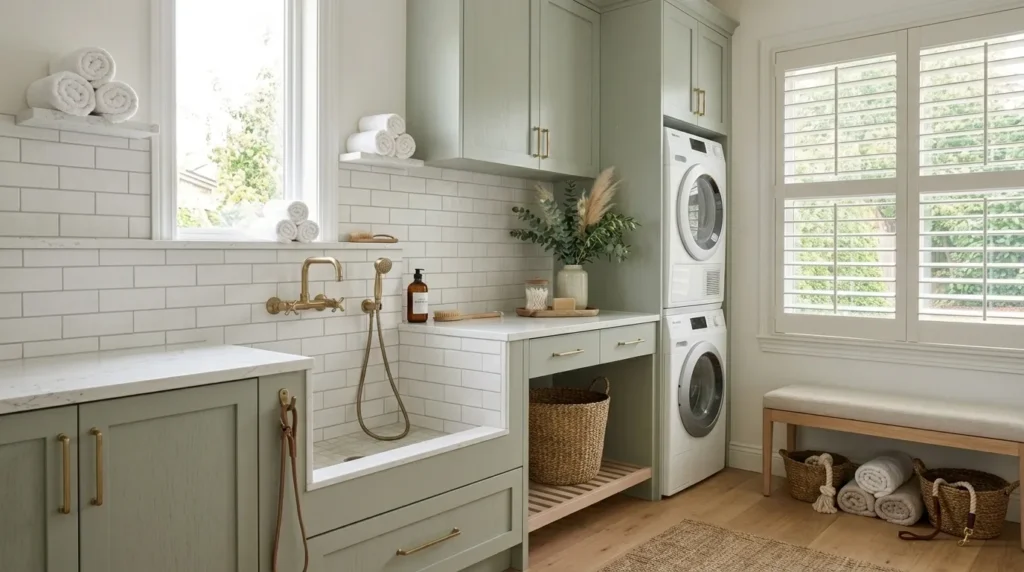
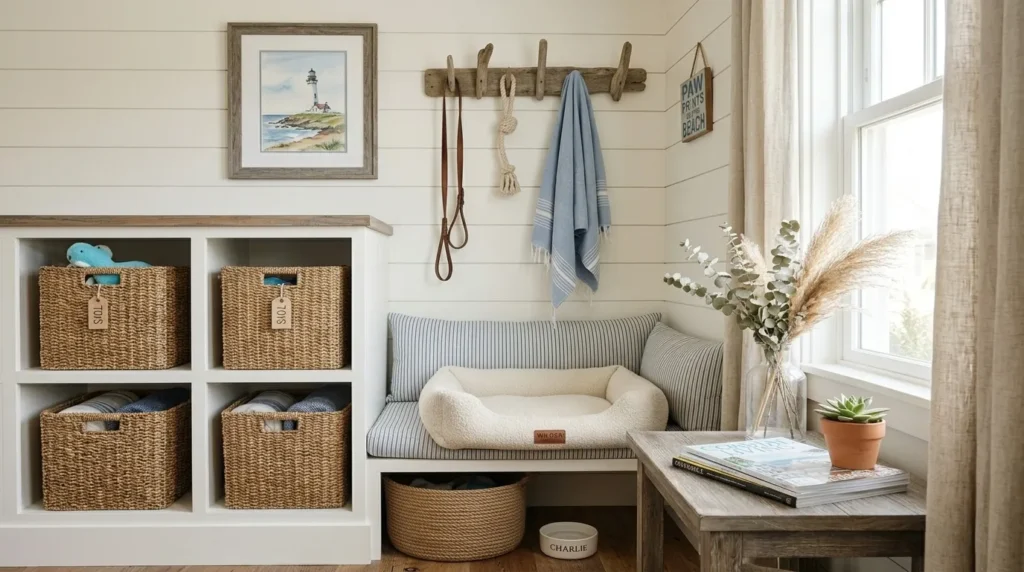
A dog run is a designated enclosed outdoor space where dogs can move freely and safely without a leash — giving them exercise, fresh air, and mental stimulation while protecting your landscaping and your peace of mind. This article gives you 13 budget-friendly dog run ideas that work for any backyard, whether you’re working with a narrow side yard, a sprawling lawn, or a compact rental patio.
Picture a patch of your yard transformed — not just fenced off, but thoughtfully designed. A place where your dog can sprint, sniff, and sunbathe while you sip coffee without the constant supervision. These aren’t cages. They’re little sanctuaries built from affordable materials, creative repurposing, and smart planning. Here are 13 ideas worth saving — and stealing.
Why a Cheap Dog Run Works So Well
A budget-friendly dog run doesn’t mean cutting corners on your dog’s safety or happiness — it means prioritizing function, choosing durable-yet-affordable materials, and building only what your dog actually needs. This style of practical pet-friendly design draws from the homesteading movement and modern DIY culture, emphasizing resourcefulness and thoughtful outdoor planning over expensive prefab solutions.
The materials that make these setups work are honest and hardwearing: galvanized chain-link panels, wooden pallets, T-posts, hardware cloth, gravel, mulch, and pressure-treated lumber. Colors follow the landscape — cedar brown, galvanized silver, bark tan, and forest green. These are shades you find naturally in a backyard, which means a well-built dog run blends rather than intrudes.
The DIY outdoor pet enclosure trend has surged in recent years, driven by the 2020 surge in pet adoption and continued remote work, which left millions of dog owners spending more time at home and wanting better setups for their pets. Pinterest searches for “dog run ideas backyard” have grown steadily, with budget builds consistently outperforming luxury options in saves and clicks — proof that practical beats precious.
Even small backyards can benefit from a dog run. A strip as narrow as 4 feet wide and 12 feet long gives a medium dog meaningful movement space. For compact yards, prioritize vertical containment over horizontal sprawl, and choose gravel or artificial turf over sod to reduce maintenance in tight areas.
Style at a Glance
| Element | Trait 1 | Trait 2 |
|---|---|---|
| Philosophy | Safety-first, dog-centered design | Budget-smart resourcefulness |
| Materials | Chain-link panels, T-posts, pressure-treated lumber | Gravel, mulch, hardware cloth, pallets |
| Color Palette | Cedar brown, galvanized silver, bark tan | Forest green, natural stone gray |
1. Chain-Link Panel Side Yard Run

Vibe: Raw and functional — this is a dog run that means business.
Why it works: Chain-link panels are the workhorse material of budget dog enclosures. The open weave allows air circulation and sightlines so your dog doesn’t feel isolated, while the galvanized steel construction handles chewing, clawing, and weather with ease. The long linear format of a side yard maximizes the space most homeowners ignore, turning wasted square footage into a proper running lane.
How to get it: Use galvanized chain-link kennel panels (typically 5–6 feet tall, sold in 4-foot-wide sections) and anchor them to steel T-posts driven 18 inches into the ground. Line the floor with compacted pea gravel over a weed barrier fabric — it drains well, is paw-friendly, and costs a fraction of concrete.
Quick Win: Purchase pre-assembled kennel panel kits at farm supply stores (like Tractor Supply Co.) — they come with corner brackets and clips included, cutting installation time to a single afternoon.
Shop The Look
| Product |
|---|
| Galvanized chain-link kennel panel set 4×6 ft |
| Steel T-post fence anchor heavy duty |
| Pea gravel landscape bag natural |
| Weed barrier landscape fabric roll |
| Stainless steel no-tip dog water bowl outdoor |
Also view: 15 DIY Dog Nook Ideas with Budget-Friendly Style
2. Wooden Pallet Fence Dog Run

Vibe: Sun-warmed and earthy, like something built with genuine care over a weekend.
Why it works: Wooden pallets provide solid visual privacy and wind blocking, which helps anxious dogs feel secure in their enclosure. The plank construction eliminates the “cage” aesthetic that chain-link carries, giving your backyard a more intentional, designed look. Pallets are typically free from hardware stores, grocery distributors, or Facebook Marketplace, making this one of the lowest-cost options available.
How to get it: Source heat-treated (HT-stamped) pallets — never chemically treated (MB-stamped) ones, which are unsafe around pets. Seal the wood with an exterior-grade, pet-safe cedar stain to prevent splinters and extend the life of your enclosure by 3–5 years. Fill the floor with bark mulch for a comfortable, natural surface.
Shop The Look
| Product |
|---|
| Pet-safe exterior wood stain cedar tone |
| Heavy-duty zip ties UV resistant 14-inch |
| 4×4 pressure-treated fence post |
| Natural bark mulch landscape bag |
| Ceramic outdoor dog water bowl rustic |
3. Gravel and T-Post Wire Run

Vibe: Stripped back and grounded — practical beauty at its most honest.
Why it works: Welded wire fencing (also called hardware cloth in heavier gauges) is significantly cheaper per linear foot than chain-link panels, making it ideal for large perimeters. T-posts can be driven into most soil types without concrete footings, reducing both labor and cost. A gravel floor prevents mud pits — the number one complaint from dog run owners — and provides natural drainage through any season.
How to get it: Use 16-gauge welded wire with 2×4-inch openings for medium-to-large dogs, or 1×2-inch openings for small breeds who can squeeze through wider gaps. Attach the wire to T-posts every 8 feet using fence clips or heavy-duty zip ties, pulling the wire taut as you go to prevent sagging.
Quick Win: Lay a 4–6 inch layer of pea gravel over contractor-grade weed barrier — this setup drains in minutes after rain and requires no maintenance for 5+ years.
Shop The Look
| Product |
|---|
| Welded wire fence roll 16 gauge 4 ft tall |
| Steel T-post 6 ft pack of 10 |
| T-post fence clips wire fasteners |
| Contractor-grade weed barrier landscape fabric |
| Simple pop-up pet shade canopy outdoor |
4. Shaded Dog Run with Natural Wood Pergola Roof

Vibe: Hushed and sheltered — a spot your dog will actually choose to rest in.
Why it works: Shade is the most overlooked element in dog run design, and it directly impacts your pet’s health and willingness to use the space. A simple pergola structure made from pressure-treated or cedar 4×4 posts and horizontal 2×4 slats costs under $150 in lumber and provides passive cooling by blocking 40–60% of direct sun. The dappled light effect also creates a calmer visual environment for the dog.
How to get it: Build a basic four-post pergola frame inside or over your existing enclosure, spacing posts at the run’s corners. Lay 2×4 slats at 4-inch intervals across the top — no roofing material needed. This provides meaningful shade without trapping heat, and costs far less than adding a full shade sail system.
Shop The Look
| Product |
|---|
| Pet-friendly artificial grass turf roll outdoor |
| Cedar 4x4x8 fence post structural lumber |
| Heavy-duty fence post anchor bracket |
| Canvas dog cot elevated cooling bed outdoor |
| Terracotta planter pot large patio |
5. Recycled Metal Cattle Panel Dog Run

Vibe: Raw, agricultural, and unexpectedly charming.
Why it works: Cattle panels are the “sleeper material” of the dog run world — 16-foot galvanized steel panels that are incredibly strong, chew-proof, and often cheaper than purpose-built kennel panels. When bent into an arch and staked to the ground on both sides, they create a tunnel-style run that’s self-supporting and requires no additional framing. The arch design also makes it nearly impossible for most dogs to climb out.
How to get it: Purchase 16-gauge galvanized cattle panels from any farm supply store (typically $30–$50 each). Bend each panel into an arch and drive rebar stakes through the lower grid squares into the ground every 3 feet. Connect multiple panels end-to-end for longer runs, and add a simple wooden or chain-link gate at each end.
Quick Win: Two cattle panels bent side by side create a run approximately 8 feet wide and 5 feet tall — large enough for most breeds — for under $100 in materials total.
Shop The Look
| Product |
|---|
| Galvanized cattle panel 16 ft heavy gauge |
| Rebar stakes 18-inch ground anchor |
| Wood garden gate with hardware rustic |
| Black steel gate latch heavy duty |
| Bark mulch large landscape bag |
6. PVC Pipe Frame Dog Run with Shade Cloth

Vibe: Light and airy — an enclosure that feels less like confinement, more like a canopy.
Why it works: PVC pipe frames are ideal for renters, apartment dwellers with patio access, or anyone who cannot drive stakes into concrete or hardscape. The pipe connectors allow you to build a fully customizable frame in any dimension, and the shade cloth provides 50–80% UV reduction while allowing air flow. This is also the most portable dog run option — the whole structure can be disassembled and stored flat.
How to get it: Use 1-inch-diameter Schedule 40 PVC pipe and 90-degree elbow and tee fittings to build a rectangular box frame. Attach knitted shade cloth (available in rolls) to the frame using zip ties or bungee cord clips. For dogs that push against walls, run a lower rail at 12 inches and 36 inches to add structural resistance.
Shop The Look
| Product |
|---|
| Schedule 40 PVC pipe 1 inch 10 ft |
| PVC 90-degree elbow fitting pack |
| Knitted green shade cloth roll 70% UV |
| Heavy-duty zip ties UV resistant |
| Rubber interlocking floor mat pet outdoor |
7. Side Yard Dog Run with Artificial Turf and Gravel Border

Vibe: Polished but paw-friendly — the side yard run that actually looks intentional.
Why it works: Artificial turf solves the mud problem permanently while giving dogs the sensory feedback of grass underfoot. In a narrow side yard, the contrast of turf and a decomposed granite gravel border creates visual separation that makes the space feel designed rather than improvised. The gravel border also serves a functional drainage role, pulling moisture away from the turf seams.
How to get it: Install artificial turf over a 3–4-inch compacted decomposed granite base for natural drainage. Edge the perimeter with pressure-treated bender board or steel landscape edging to keep the turf from lifting. Choose a turf product with a drainage rate of at least 30 inches per hour — avoid cheap rolls with solid backing, which trap odors permanently.
Quick Win: Look for pet-specific artificial turf at home improvement stores — it typically has antimicrobial backing and a higher pile density that handles repeated use without matting down.
Shop The Look
| Product |
|---|
| Pet artificial grass turf with drainage holes roll |
| Decomposed granite landscape bag fine grade |
| Steel landscape edging border roll |
| Wall-mounted pet water bottle station outdoor |
| Enzyme dog yard odor eliminator spray |
8. Raised Wooden Platform Dog Run for Sloped Yards

Vibe: Grounded and sturdy — solving a real problem with honest materials.
Why it works: Sloped yards create serious drainage and footing challenges for standard dog runs. Building a raised platform with pressure-treated lumber creates a level, clean floor surface regardless of grade, and the elevation itself aids drainage by lifting the dog above any ground-level moisture pooling. The addition of a corrugated metal or polycarbonate roof section over part of the run provides weather protection without requiring a full build.
How to get it: Use 4×4 pressure-treated posts set in concrete footings to create a level frame, then deck it with 5/4×6 treated decking boards. Space boards at ¼-inch gaps for drainage. Build the fence frame directly onto the platform perimeter, and add a ramp with non-slip rubber stair nosing for easy dog access.
Shop The Look
| Product |
|---|
| Pressure-treated 4×4 fence post 8 ft |
| 5/4×6 pressure-treated decking board |
| Corrugated metal roofing panel |
| Non-slip rubber stair tread nosing strip |
| Concrete rapid-set post mix bag |
9. Budget Dog Run with Upcycled Wood Pallets and String Lights

Vibe: Layered and sun-warmed — this dog run pulls double duty as a backyard vignette.
Why it works: This design leans into the “accessory zone” principle — adding lighting and a shelter element transforms a purely functional enclosure into a visual feature of the backyard. String lights on a simple overhead wire create ambient warmth at dusk and signal to your dog that the run is a pleasant, safe destination rather than a place of confinement. The small doghouse provides a crucial refuge point for nervous or weather-sensitive dogs.
How to get it: Run a 12-gauge outdoor-rated string light cable between two corner posts using screw-in cable guides. Choose Edison-style bulbs with a warm white (2700K) color temperature — avoid cool-white bulbs, which read as harsh in outdoor spaces. Pair with a pre-built cedar A-frame doghouse (available at pet supply stores for $60–$120) placed in a corner for wind protection.
Quick Win: A 50-foot outdoor LED Edison string light set costs under $25 and transforms any enclosure from utilitarian to intentional in under an hour.
Shop The Look
| Product |
|---|
| Outdoor Edison string lights 50 ft weatherproof |
| Cedar A-frame wooden doghouse small-medium |
| Outdoor cable wire guide hooks screw-in |
| Elevated cedar porch dog bed outdoor |
| Solar post cap lights for fence posts |
10. Narrow Concrete Path Dog Run for Urban Backyards

Vibe: Still and ordered — a city-friendly solution that looks sharp on a narrow footprint.
Why it works: In urban backyards where every square foot counts, concrete provides the most hygienic and lowest-maintenance dog run surface available. Unlike gravel or mulch, concrete can be hosed down completely and dries quickly between washes. The raised visual weight of black aluminum fence panels on one side creates a clean, modern aesthetic that complements most urban architecture without looking agricultural.
How to get it: For an existing concrete path or patio, power-wash and seal with a pet-safe concrete sealer to reduce absorption of urine and make cleanup faster. For new builds, use pre-mixed concrete bags poured into a simple lumber form — a 4-foot-wide, 12-foot-long slab requires roughly 10–12 bags at about $6 each, keeping the floor cost under $80.
Shop The Look
| Product |
|---|
| Pet-safe concrete and masonry sealer |
| Black powder-coated aluminum fence panel |
| Black aluminum fence post bracket |
| Expandable garden hose lightweight 50 ft |
| Outdoor raised planter box cedar wood |
11. Dog Run with Built-In Digging Zone

Vibe: Playful and generous — a run designed around what your dog actually wants to do.
Why it works: Layout strategy is often what separates a dog run a dog tolerates from one a dog genuinely uses. Designating a specific digging zone redirects destructive behavior into an appropriate space, reducing stress for both dog and owner. The visual separation of zones — gravel path, sandbox corner — creates clear functional areas within the run that mimic the natural zoning dogs establish on their own in open spaces.
How to get it: Build a simple sandbox frame using 2×6 pressure-treated pine boards screwed at the corners, set directly on the ground inside the run. Fill with construction-grade sand to a depth of 8–10 inches. Bury a few favorite toys just below the surface initially to teach the dog where digging is encouraged.
Quick Win: A 60-lb bag of play sand costs under $7 at most home improvement stores — fill the sandbox zone once, and most dogs learn its purpose within a single session.
Shop The Look
| Product |
|---|
| Play sand 50 lb bag natural |
| 2×6 pressure-treated lumber board |
| Deck screw box exterior grade |
| Interactive dog puzzle toy hide and seek |
| Heavy-duty galvanized corner bracket |
12. Small Space Dog Run for Apartment Patios

Vibe: Calm and compact — proof that a tight footprint is no excuse for an afterthought.
Why it works: For renters or condo dwellers, freestanding modular exercise pen panels are the only dog run option that requires zero installation, leaves no damage, and can be reconfigured at will. An L-shape configuration against two walls maximizes the enclosed area without taking up the entire patio, and interlocking foam or rubber tiles protect the existing floor surface while giving dogs cushioned traction. This approach also scales up easily — just add more panels.
How to get it: Choose exercise pen panels in 24-inch or 30-inch heights for small breeds, and 42–48-inch panels for larger or more athletic dogs. Connect them using the built-in hook closures. For wind stability on elevated patios, clip the bottom panels to a floor-level tension rod or use sandbag weights at corner bases.
Shop The Look
| Product |
|---|
| Modular metal exercise pen panels black 8 panel |
| Interlocking foam floor tile pet mat gray |
| Sandbag weight for outdoor structures |
| Small potted boxwood topiary pair |
| Portable travel dog water bowl collapsible |
13. DIY Dog Run with Repurposed Wooden Privacy Fence Panels

Vibe: Layered and lived-in — a backyard addition that looks like it was always meant to be there.
Why it works: Repurposed cedar privacy fence panels solve one problem conventional kennel setups cannot: visual integration with the existing backyard aesthetic. By using panels that match (or closely match) the home’s existing fence material, the dog run reads as an extension of the yard rather than an industrial afterthought. The connection to the house via a dog door also gives the dog agency to enter and exit on its own schedule, reducing anxiety and enriching daily routine.
How to get it: Source matching cedar fence panels from salvage yards, Craigslist, or neighbors doing fence replacements — often free or under $10 per panel. Install them on 4×4 pressure-treated posts set in fast-setting concrete. Cut a dog door opening in the panel nearest the house’s back door using a jigsaw, and install a quality flap-style dog door insert sized to your dog’s shoulder height.
Quick Win: A heavy-duty vinyl flap dog door insert in medium size costs under $40 and can be installed in a wood panel in under 30 minutes using a jigsaw and standard screws.
Shop The Look
| Product |
|---|
| Vinyl flap dog door insert medium heavy duty |
| Cedar dog ear fence picket board 6 ft |
| Fast-setting concrete post mix bag |
| Jigsaw blade set for wood cutting |
| Vine climbing plant wire trellis panel |
How to Start Your Dog Run Transformation
Start with ground cover. The single most important first decision in any dog run is what goes underfoot — and pea gravel is the one material that solves the most problems at once. It drains, it’s paw-safe, it deters digging at the perimeter, and it costs under $50 for a bag large enough to cover most small runs. Choosing your ground cover first determines how you frame the perimeter, what gates you need, and whether you require additional drainage infrastructure.
The most common mistake beginners make is building too small. A run that’s too narrow — under 5 feet wide — forces a dog to pace in a straight line rather than move naturally, increasing stress rather than relieving it. Minimum recommended dimensions are 5 feet wide by 10 feet long for small breeds, and 6 feet wide by 15 feet long for medium-to-large breeds. If your yard doesn’t allow this, consider a modular exercise pen setup instead.
Three items under $50 that make an immediate impact: A mounted stainless steel water bowl with a no-spill design ($18); a heavy-duty rubber Kong Extreme chew toy in your dog’s size ($15); and a 3-foot section of corrugated drainage pipe installed at the lowest corner of your gravel run to prevent pooling ($12 at any hardware store).
Realistic expectations: A basic gravel-and-T-post run can be completed in a single weekend for $100–$300 in materials, depending on size. A raised platform or pergola-shaded version adds another weekend and typically brings the budget to $300–$600. Full DIY builds that include artificial turf, a doghouse, and a concrete pad typically land between $500–$1,000 — still a fraction of professionally installed kennel prices, which start around $2,000.
Frequently Asked Questions About Cheap Dog Run Backyard Ideas
What is the difference between a dog run and a dog kennel?
A dog run is an elongated outdoor enclosure designed primarily for movement — running, walking, and playing — while a kennel typically refers to a more compact housing structure focused on shelter and confinement. Dog runs prioritize linear space and open-air design, often with simple fencing and natural ground cover. Kennels may include roofing, bedding, and more enclosed structures. For backyard use, a dog run is the better choice for dogs that need exercise and mental stimulation during the day.
What is the cheapest ground cover for a dog run?
Pea gravel is consistently the most affordable and practical option, costing roughly $5–$8 per 50-lb bag. A 5×10 foot run needs approximately 6–8 bags for a 3-inch-deep layer, putting the total floor cost under $60. Decomposed granite is a close second and packs more firmly underfoot. Avoid plain dirt — it turns to mud immediately — and be cautious with wood chips, which can harbor mold and attract insects in enclosed wet conditions.
How much does a DIY dog run cost?
A basic T-post and welded wire fence dog run can be built for as little as $75–$150 for a 5×12 foot enclosure. Mid-range builds using galvanized kennel panels with a gravel floor typically cost $200–$400. If you add artificial turf, a shade structure, or a doghouse, expect to spend $500–$800 total — still significantly less than professional installation. The biggest cost variable is always the ground cover material and the amount of perimeter linear footage you need to enclose.
Can I put a dog run on concrete or hardscape?
Yes — and concrete is actually one of the most hygienic dog run surfaces available. It can be fully hosed down, dries quickly, and doesn’t absorb odors the way mulch or soil can. The key is to seal the concrete with a pet-safe penetrating sealer and add a rubber or foam mat in one zone for resting, since concrete is hard on joints over long periods. For dogs prone to paw pad abrasion, a rubberized anti-fatigue mat in the main activity area is a worthwhile $25–$40 addition.
How do I stop my dog from digging out of a cheap dog run?
The most reliable method is a physical barrier along the perimeter base. Bury your fencing material 6–12 inches underground, or bend the bottom 12 inches of chain-link outward at a 90-degree angle and stake it flat along the ground — dogs almost never dig far enough horizontally to breach this L-footer design. Alternatively, line the interior perimeter with a 12-inch-wide strip of flat patio pavers or concrete stepping stones, which are both cheap (roughly $1–$2 each) and highly effective as a digging deterrent.
Ready to Create Your Dream Dog Run Backyard Setup?
These 13 ideas cover the full spectrum — from ground cover choices and material types to layout strategies, lighting touches, and small-space adaptations that prove no yard is too tight for a proper dog run. Transformation doesn’t need to happen all at once — starting with just the right ground cover and a basic perimeter fence is a genuinely complete first phase, not a compromise. This weekend, measure your available side yard or backyard strip, then price out pea gravel and either T-posts or a kennel panel kit — you may find the build is more approachable than you imagined. Once it’s done, the real payoff isn’t just a tidier yard: it’s a calmer, more satisfied dog and the freedom to let them out without supervision, making your daily routine a little more relaxed and a lot more joyful. Save the ideas that match your yard size and budget — then come back when you’re ready to expand with a shade structure or a doghouse.