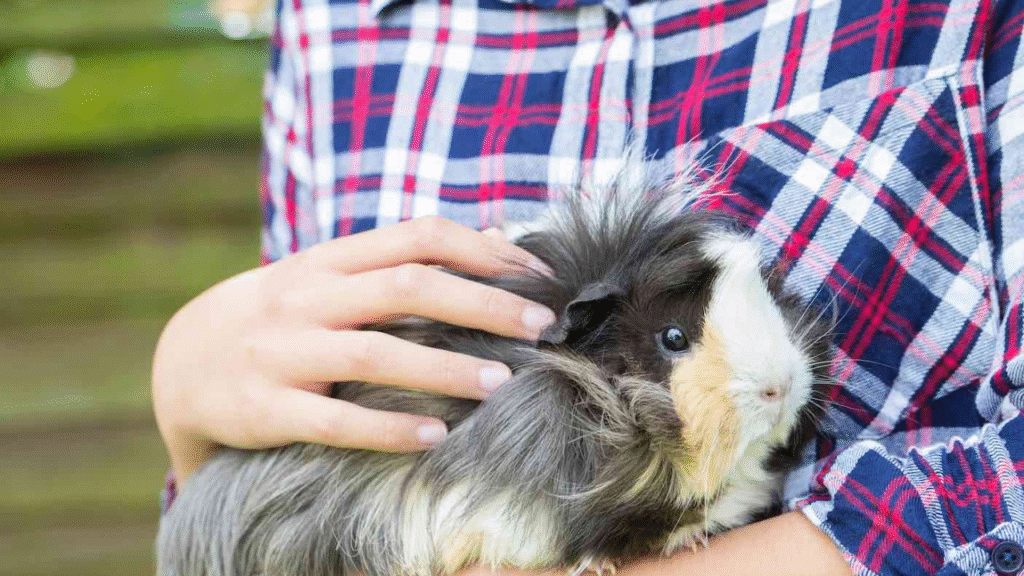
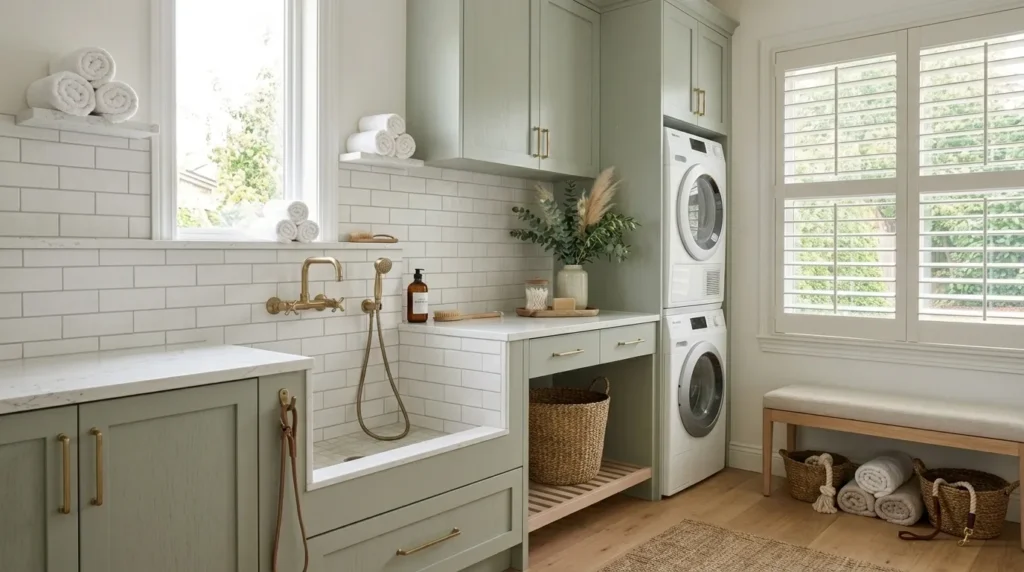
Cat café aesthetic ideas combine the warmth of a specialty coffee environment — exposed timber, pendant lighting, ceramic mugs, botanical accents — with the layered, sensory-rich atmosphere that cats naturally create and inhabit: cushioned perches at every height, soft textiles, climbing structures that double as architecture, and a general quality of unhurried ease. This article gives you exactly 22 ideas spanning color palettes, furniture, lighting, shelving, textiles, wall art, and small-space adaptations so every home coffee corner can carry that particular magic.
There is a quality of light in a great cat café that no other hospitality space quite replicates — warm and low, falling across ceramic cups and rumpled linen cushions and a cat stretched across a wooden shelf like it’s the most natural thing in the world. It’s the feeling of being somewhere that doesn’t rush you, that rewards staying, that makes a single cup of coffee last an hour without apology. Here are 22 ideas worth saving — and living inside.
Why Cat Café Aesthetic Ideas Work So Well
The cat café as a concept originated in Taiwan in 1998 with the opening of Cat Flower Garden in Taipei, expanded dramatically through Japan in the mid-2000s as urban apartment dwellers sought animal companionship unavailable in no-pet housing, and arrived in Europe and North America between 2012 and 2015. What the best cat cafés discovered rapidly was that the design requirements of a space optimized for cats — elevated perches, layered climbing structures, abundant soft surfaces, warm and diffused lighting, botanical elements — are also the precise ingredients of a maximally comfortable and visually rich human hospitality space. The cat café aesthetic is not a compromise between human and feline needs. It is the point at which those needs are identical.
The core material palette of the cat café aesthetic includes unfinished or lightly oiled white oak for shelving and furniture frames, exposed brick or warm plaster walls in cream and terracotta, ceramic in matte sage and warm oat finishes, natural linen and washed cotton for cushions and curtains, rattan and seagrass for storage and accent pieces, and warm-toned timber — pine, cedar, Douglas fir — for structural and climbing elements. Color palette centers on warm neutrals: aged cream, dusty sage, oat linen, terracotta blush, warm charcoal, and the specific amber-to-honey tone of timber surfaces in warm artificial light. Plants — trailing pothos, monstera, Boston fern, air plants — are essential rather than optional, providing the botanical layering that makes any warm, low-lit room feel inhabited rather than staged.
The cat café aesthetic has generated substantial Pinterest and Instagram engagement since approximately 2020, when the combination of the indoor cat movement, the specialty coffee culture expansion, and the general design shift toward warmer, more tactile interiors converged. Pinterest data shows “cat café decor,” “cozy coffee corner,” and “cat shelf ideas” collectively generating over 4 million annual saves, with the crossover between coffee aesthetics and feline design rising year over year. The cultural driver is a documented shift away from minimalism and toward what designers are calling “maximalist warmth” — spaces that feel accumulated, personal, and alive rather than edited and controlled.
Small apartments and home coffee corners can absolutely achieve the cat café aesthetic — in many cases more authentically than larger spaces, because the cat café’s warmth is a product of compression and layering rather than square footage. A 6-foot wall with staggered oak shelves, a rattan pendant light overhead, a ceramic mug collection on display, and one trailing plant is a cat café corner regardless of what surrounds it. The honest consideration for small spaces: avoid replicating the climbing structure scale of a commercial cat café, which requires ceiling height and floor space that most home environments cannot support. Scale the perch and shelf system to one wall and one corner, and let the textile and lighting choices carry the atmospheric weight.
Style at a Glance
| Element | Coffee Core | Cat Aesthetic Edge |
|---|---|---|
| Philosophy | Warmth rewards staying | Every surface earns its place |
| Materials | Oak, ceramic, linen, rattan | Cedar climbing, sisal, trailing botanical |
| Color Palette | Aged cream, oat, warm charcoal | Dusty sage, terracotta, amber timber |
1. Staggered White Oak Wall Shelves as Cat Perch and Mug Display

Vibe: The wall feels layered and alive — human and feline life occupying the same architecture without competition.
Why it works: Staggering shelf heights rather than installing them at uniform intervals applies the design principle of rhythmic variation — the eye travels up and down the wall following the shelf line, discovering different objects and textures at each level. This movement quality is simultaneously what makes a shelf arrangement feel curated rather than stored, and what makes the shelves functional as cat perches — cats use staggered heights as a climbing system, accessing each shelf in sequence as they ascend. White oak’s warm grain reads as refined without being precious, making it the most compatible shelf material for both coffee equipment display and cat habitation.
How to get it: Install white oak floating shelves (available as pre-finished blanks from most lumber suppliers or custom-cut from 2-inch-thick white oak boards) using concealed shelf pin brackets for a clean floating appearance. Space shelves at 10, 22, 36, 50, and 64 inches from the floor for a staggered sequence that provides human-accessible display at the lower levels and cat-accessible perching at the upper levels. Add 1/4-inch-thick linen cushion pads cut to shelf width on the upper three shelves using iron-on hem tape for a clean edge.
Quick Win: Pre-finished white oak shelf boards ($35–55 each in 24-inch lengths) installed with concealed pin brackets ($8–12 per pair) create the full staggered shelf wall for under $250 for five shelves — the single most impactful cat café aesthetic investment available at home scale.
Shop The Look
| Product |
|---|
| White oak floating shelf board 24 inch natural |
| Concealed shelf pin bracket set wall mount |
| Matte sage ceramic coffee mug set of 4 |
| Trailing pothos artificial plant realistic |
| Small linen shelf cushion pad cat perch neutral |
Also view: 14 Backyard Garden Designs Every Pet Owner Needs
2. Rattan Pendant Lighting Over a Coffee Bar Corner

Vibe: The coffee corner feels intimate — the pendant pulls the space down and in, the way a good café table always does.
Why it works: Hanging a pendant light low over a coffee bar counter (28–32 inches above the surface) applies the hospitality lighting principle of task intimacy — low pendant placement creates a visual enclosure around the activity zone below, making the counter feel like a destination rather than a surface. Rattan’s woven texture diffuses the light source rather than transmitting it directly, producing the warm, ambient glow that distinguishes café lighting from domestic overhead lighting. The honey tone of natural rattan coordinates with white oak, warm ceramics, and any botanical accent without competing with them.
How to get it: Install a plug-in rattan pendant on a swag hook mounted in the ceiling above the coffee counter — no electrician required, cord drapes to a wall outlet. Choose a bulb at 2200–2400K (labeled “extra warm white” or “candlelight”) and no more than 60-watt equivalent LED for the most atmospheric light quality. Add a dimmer switch inline with the cord for adjustable intensity.
Shop The Look
| Product |
|---|
| Natural rattan woven pendant light plug-in swag |
| Warm white LED bulb 2200K 40W equivalent |
| Inline cord dimmer switch pendant light |
| Gooseneck electric kettle wood handle matte black |
| Ceramic pour-over coffee dripper set matte cream |
3. Warm Terracotta Wall Color Behind the Coffee Station

Vibe: The wall feels grounding — the terracotta does what no neutral can, it makes everything placed against it look warmer.
Why it works: Terracotta wall color applies the principle of warm-ground contrast — the red-orange warmth of terracotta makes every cooler-toned object placed against it (white oak, cream ceramic, sage green plants) read with greater clarity and depth than they would against a white or neutral wall. Benjamin Moore Earthen Jug 2164-30 and Sherwin-Williams Cavern Clay SW 7701 are the two most-specified terracotta tones in contemporary interior design — both have sufficient warmth to read as terracotta without crossing into orange. In a coffee corner specifically, terracotta references the material tradition of coffee culture (terracotta cups, Moroccan coffee vessels, earthenware brewing pots) in a way that feels historically grounded.
How to get it: Paint the coffee station wall in eggshell finish for washability — terracotta in flat finish looks beautiful but marks easily in a food-adjacent zone. Apply two coats over a grey primer (not white) for the truest color result — terracotta paint applied over white primer can pull pink rather than red-orange. Extend the color 6 inches onto each adjacent wall to avoid the painted-panel effect.
Shop The Look
| Product |
|---|
| Terracotta interior paint eggshell quart warm |
| Small botanical illustration print framed warm wood |
| Dried cotton stem set slim ceramic vase |
| Linen hand towel set coffee bar neutral oat |
| Gray primer quart interior wall preparation |
4. Cedar Cat Tree Integrated with Bookshelf as Room Divider

Vibe: The structure feels architectural — furniture that organizes a room while giving a cat an entire vertical world.
Why it works: Integrating a cat climbing structure with a bookshelf room divider applies the design principle of multifunctional architecture — a single structure serves three simultaneous purposes (spatial division, human storage, feline enrichment) occupying the footprint of one. Natural cedar posts wrapped in sisal rope maintain the material language of the cat café aesthetic — warm, organic, tactile — while providing the scratch surface cats require. The room divider format also solves the visual problem of standalone cat trees, which rarely coordinate with adult interior design; when the cat structure is also the bookshelf, it belongs to the room unconditionally.
How to get it: Build the frame from 4×4 cedar posts connected by 2×8 cedar shelving boards at varied heights. Wrap the lower 24 inches of each post tightly with 3/8-inch natural sisal rope using hot glue at the start and finish of each wrap. Install open bookshelf sections between the posts using 3/4-inch white oak boards on adjustable shelf pins. Mount the entire unit to the ceiling using a tension system (floor-to-ceiling mount hardware) for stability without wall anchoring.
Shop The Look
| Product |
|---|
| Natural cedar post 4×4 lumber 8 foot |
| Sisal rope 3/8 inch 100 foot natural |
| White oak shelf board 3/4 inch 24 inch |
| Adjustable shelf pin set cabinet hardware |
| Floor-to-ceiling tension mount pole set |
5. Matte Black Drip Coffee Station with Ceramic Accessory Collection

Vibe: The station feels still and intentional — every object placed, nothing accumulated.
Why it works: A matte black coffee equipment set against warm ceramic accessories applies the design principle of material contrast through finish — the flat, light-absorbing surface of matte black kettle and scale reads as bold against the varied, slightly reflective surfaces of handmade ceramic mugs. The contrast makes each object more legible individually while creating a cohesive composition as a group. Grouping the mugs in a row of four (rather than storing them in a cabinet) applies the hospitality principle of visible inventory — the mugs are both stored and displayed simultaneously, which is the defining organizational aesthetic of café culture.
How to get it: Buy a matte black gooseneck kettle and a coffee scale as the station’s anchor pieces. Collect ceramic mugs over time from small pottery makers (Etsy searches for “handmade ceramic mug sage” or “stoneware mug oat” yield dozens of independent potters) — a deliberately mismatched collection of four to six mugs in the same color family reads as curated rather than random. Organize everything on a 12×8 inch wooden serving tray as a mobile station that can be moved easily for counter cleaning.
Quick Win: A set of four handmade-look ceramic mugs in varied sage and cream glazes ($28–45 for a set) is the single most impactful coffee corner accessory purchase — the mugs are visible daily, hold significant visual weight, and immediately signal the aesthetic intention of the entire station.
Shop The Look
| Product |
|---|
| Matte black gooseneck electric kettle pour-over |
| Handmade ceramic mug set sage oat stoneware |
| Wood serving tray coffee bar organizer |
| Ceramic pour-over drip cone oat matte glaze |
| Digital coffee scale compact kitchen |
6. Exposed Brick Wall with Climbing Cat Shelf Installation

Vibe: The wall feels urban and warm simultaneously — the kind of surface that looks like it came with the building and the shelves always belonged there.
Why it works: Exposed brick provides the most visually rich background surface available for a cat shelf installation — the varied texture and warm color of brick makes even simple floating shelves read as designed objects rather than functional additions. Mounting cat shelves in an ascending diagonal sequence (lower left to upper right, or following a Z-path) applies the behavioral enrichment principle of directed vertical travel — cats naturally follow a clear climbing path rather than jumping randomly between disconnected surfaces. Natural oak brackets with a curved profile echo the organic, handcrafted quality of the brick setting without competing with its texture.
How to get it: Mount cat wall shelves into brick using masonry anchors (hammer-set or screw-in type, rated for at least 50 lbs per anchor) and a hammer drill with a masonry bit. Space shelves at 12–14 inch vertical intervals for cat step access and at varied horizontal positions — each shelf offset 8–12 inches horizontally from the one below to create a zigzag climbing path. Add a sisal rope scratching section to each shelf by stapling 3/8-inch sisal rope across the shelf width.
Shop The Look
| Product |
|---|
| Natural oak cat wall shelf set with bracket |
| Masonry anchor screw set brick wall mount |
| Sisal rope 3/8 inch natural scratch pad |
| Framed cat illustration art print warm wood |
| Trailing pothos artificial plant pot realistic |
7. Linen and Velvet Throw Cushion Collection for Café Seating

Vibe: The sofa feels welcoming — layered with the specific abundance that makes a café seat feel like it was built for staying.
Why it works: An abundant cushion collection applies the hospitality design principle of generous comfort signaling — a sofa with many cushions communicates permission to stay, to rearrange, to make yourself at home, in a way that a tidily minimalist two-cushion sofa cannot. Mixing textures (velvet, linen, cotton, block print) across a constrained color palette (sage, cream, terracotta, indigo) applies the textile layering principle: the variety is tactile rather than chromatic, creating richness without visual noise. Cat café sofas specifically benefit from linen and cotton covers (rather than silk or velvet alone) because natural fiber fabrics withstand cat habitation — claw catches, shed hair, and the general occupation of cats — more gracefully than synthetic or delicate weaves.
How to get it: Build the cushion collection in the ratio of two large squares (22×22 inch), two medium squares (18×18 inch), one rectangle (12×22 inch), and one lumbar (12×36 inch) for a sofa that reads as abundantly but not chaotically cushioned. Cover in removable zippered covers in a palette of dusty sage velvet, undyed linen, terracotta cotton canvas, and a single patterned accent. Wash covers quarterly in cold water to maintain loft and prevent pet-dander buildup.
Shop The Look
| Product |
|---|
| Dusty sage velvet cushion cover 22 inch zipper |
| Undyed linen cushion cover 18 inch natural |
| Terracotta cotton canvas cushion cover 22 inch |
| Hand block-print indigo lumbar cushion cover |
| Chunky knit throw blanket oat natural cotton |
8. Botanical Wall Gallery with Cat Illustration Prints

Vibe: The wall feels collected over time — as though each print arrived because it belonged, not because it was ordered.
Why it works: Mixing botanical illustration prints with cat illustration prints in a gallery wall arrangement applies the design principle of thematic cohesion through subject variation — both botanical and cat illustrations share a naturalist illustration tradition (19th-century natural history books, Japanese woodblock printing, Victorian specimen drawing) that makes them visually compatible despite their subject difference. The warm oak frame is the unifying element that prevents the mixed subject matter from reading as eclectic rather than curated. Varying frame sizes while maintaining consistent frame style and color creates an asymmetric composition that reads as organic rather than designed.
How to get it: Start with one large botanical print (at least 18×24 inches) as the gallery’s visual anchor. Add smaller prints (8×10, 5×7, 4×6) in a loose arrangement extending from the anchor, mixing botanical and cat subjects in a ratio of approximately 2:1 botanical to cat. All frames in warm oak or natural wood — no mixing of frame finishes within the same gallery. Leave 2–3 inches between frames for visual breathing room.
Shop The Look
| Product |
|---|
| Botanical illustration print set large format |
| Cat illustration art print set small neutral |
| Warm oak picture frame set assorted sizes |
| Thin black frame set small 5×7 gallery |
| Small ceramic wall sconce candle holder |
9. Window Perch Hammock with Café Curtain Below

Vibe: The window feels purposeful — light and cat and coffee all arriving at the same point.
Why it works: A cat window hammock combined with a café-style half curtain applies the layering principle to window treatment — the lower café curtain provides privacy and a soft textile element while the upper glass remains clear for maximum light transmission and the hammock’s sightline. Café curtains (half-height curtains covering only the lower portion of a window) are a direct reference to the original European café aesthetic — this window treatment style takes its name from the small Parisian café windows where it was used to screen street-level views while maintaining light. The combination of natural canvas hammock, warm linen curtain, and brass hardware creates a complete, cohesive window vignette.
How to get it: Mount a reinforced window cat hammock using the heavy-duty suction cup and metal bracket system (rated for at least 25 lbs) rather than basic suction cups. Install a 1/2-inch brass tension rod at the window’s midpoint and hang a half-height linen café curtain cut to exactly half the window height plus 2 inches for hem. Use clip rings rather than sewn rod pockets for easy adjustment.
Shop The Look
| Product |
|---|
| Window cat hammock reinforced bracket suction |
| Brass tension rod 28-48 inch window |
| Linen café curtain panel half height natural |
| Clip ring set brass curtain 12 piece |
| Small potted plant succulent window sill ceramic |
10. Warm Charcoal Accent Wall with Floating Shelf Coffee Display

Vibe: The wall feels moody — the dark ground makes every object in front of it glow with unexpected clarity.
Why it works: A warm charcoal accent wall behind a coffee station applies the figure-ground contrast principle in its most dramatic form — dark values recede, making every lighter object placed in front of them appear to advance and glow. White oak shelves against warm charcoal create one of the most visually satisfying contrasts in contemporary interior design — the warmth of the oak reads more richly against dark background than it ever does against white. Warm charcoal (a charcoal with brown rather than blue or green undertone — Farrow & Ball Railings No. 31 or Benjamin Moore Black Beauty 2128-10) prevents the dark wall from reading as cold or oppressive.
How to get it: Paint the accent wall in Farrow & Ball Railings No. 31 or Benjamin Moore Black Beauty 2128-10 in eggshell finish — the slight sheen prevents the dark color from appearing chalky under pendant light. Install white oak shelves at 30 and 52 inches from the floor for a two-shelf coffee station arrangement. Style the lower shelf as the active coffee station (kettle, mugs, tray) and the upper shelf as the display shelf (books, a plant, one framed print) — the division of function across the two shelves makes the arrangement read as intentional.
Shop The Look
| Product |
|---|
| Warm charcoal interior paint eggshell quart |
| White oak floating shelf board 30 inch |
| Matte cream ceramic mug handmade set of 4 |
| Small botanical framed print warm frame |
| Warm amber Edison pendant plug-in black cord |
11. Sisal and Jute Rug Layering Under Coffee Table

Vibe: The floor feels warm and textural — natural fiber on natural fiber is one of the most satisfying material combinations in any room.
Why it works: Layering a sisal rug over a jute base rug applies the interior design principle of tonal texture layering — both materials share the warm honey-cream color family but have distinctly different surface textures (jute is softer and more irregular; sisal is tighter and more uniform), creating depth and visual interest at floor level without introducing color contrast. The layered rug technique also practically solves the coffee corner problem of defining the seating zone on open-plan floors where a single rug may not adequately anchor the furniture grouping. For cats specifically, natural fiber rugs are ideal — the texture engages claw maintenance instincts in a way that synthetic rugs do not.
How to get it: Size the base jute rug to extend 18 inches beyond the sofa and chairs on all sides (typically an 8×10 or 9×12). Layer a smaller sisal rug (approximately 5×8) centered on the jute, aligned with the coffee table. Place a non-slip rug pad between the two rugs to prevent the top rug from shifting. Both rugs in the warm natural fiber range — no dyed or colored rugs in this combination, which would fight the tonal layering effect.
Shop The Look
| Product |
|---|
| Natural jute area rug 8×10 foot handwoven |
| Sisal area rug 5×8 woven border natural |
| Non-slip rug pad layering grip thin |
| Low oak coffee table modern simple |
| Linen floor cushion large square natural |
12. Cat-Themed Ceramic Collection as Coffee Bar Accent

Vibe: The shelf feels quietly whimsical — the cat references visible to those looking, invisible to those who aren’t.
Why it works: Incorporating cat-themed ceramics as a coffee bar accent applies the design principle of thematic restraint — the cat café reference is present in the objects themselves rather than in signage, wall graphics, or overtly decorative elements, allowing the aesthetic to feel discovered rather than announced. Matte cream stoneware in a cat motif reads as artisanal rather than novelty because the material quality (handmade stoneware, tactile glaze) elevates the subject matter. Limiting the cat ceramic collection to three or four pieces among the broader coffee equipment prevents the theme from overwhelming the functional character of the station.
How to get it: Source cat-motif ceramics from small independent pottery makers (Etsy and craft fairs yield the highest-quality, most subtly designed options) rather than mass-produced novelty items. Look specifically for pieces where the cat motif is embossed, etched, or formed in the clay rather than painted on — this production method produces a more sophisticated result that ages better. Mix the cat ceramics with non-cat coffee equipment in a ratio of one cat piece per three non-cat pieces.
Quick Win: A single handmade stoneware mug with a subtle embossed cat motif ($22–35 from an independent potter on Etsy) on a coffee bar shelf signals the cat café aesthetic more authentically than any commercial cat-themed accessory set.
Shop The Look
| Product |
|---|
| Handmade stoneware mug cat embossed cream matte |
| Cat silhouette ceramic sugar bowl stoneware |
| Small cat figurine stoneware ceramic neutral |
| Clear glass coffee bean storage jar lid |
| Linen coffee bar cloth set natural |
13. Warm Lighting with Dimmer and Candle Layering

Vibe: The corner feels magical at dusk — the kind of lighting that makes you want to stay exactly where you are.
Why it works: Layering multiple warm light sources at different heights — overhead pendant, mid-height table lamp, low candlelight, ambient fairy lights — applies the hospitality lighting design principle of multi-source warmth. No single light source dominates; instead, the combined effect is a room where warmth appears to radiate from multiple directions, eliminating the harsh shadows and flat illumination of single-source overhead lighting. This layered approach is the defining lighting characteristic of great café spaces and the most reproducible element of café atmosphere in a home setting. All sources at 2200–2700K are essential — mixing a warm source with a cool-white source destroys the layered warmth effect immediately.
How to get it: Install a dimmer switch on the pendant light circuit — the ability to reduce pendant brightness as candles are lit is the key operational step that maintains the balance between sources. Use only beeswax or natural wax candles (synthetic paraffin candles produce a colder, harsher flame light and off-gas in an enclosed space). Run fairy lights on a separate wall outlet with a timer set to activate at sunset for automatic ambient layering.
Shop The Look
| Product |
|---|
| Linen table lamp shade small warm white |
| Beeswax pillar candle set natural honey |
| Fairy lights copper wire warm white indoor |
| Inline dimmer switch pendant cord |
| Ceramic candle holder set small matte |
14. Moss Wall Art Panel as Living Botanical Backdrop

Vibe: The wall feels alive and still simultaneously — botanical presence without the watering schedule.
Why it works: A preserved moss wall panel applies the biophilic design principle of living material at the wall plane — moss introduces a layered, organic texture that no paint finish, wallpaper, or print can replicate, because it is a dimensional material rather than a surface treatment. Preserved moss (stabilized with glycerin and dye) requires no water, no light, and no maintenance while retaining its color and texture for years. In a coffee station context, the deep, varied greens of moss against a warm cream wall and white oak shelf create the layered botanical atmosphere that cat cafés achieve through live planting — without the humidity and maintenance requirements of living moss.
How to get it: Source a preserved moss panel from an online supplier or create one by purchasing flat moss varieties (cushion moss, sheet moss, reindeer moss) from a floral supply source and mounting in a deep shadow box frame with a plywood backing. Arrange moss varieties in an organic, flowing composition by category — cushion moss in the center, sheet moss at the edges, reindeer moss as texture accents — and secure with a low-temperature hot glue gun.
Shop The Look
| Product |
|---|
| Preserved moss wall art panel framed large |
| Preserved cushion moss sheet natural green |
| Deep shadow box frame 24×36 natural wood |
| Small fern plant terracotta pot indoor |
| Low temperature glue gun craft set |
15. Antique Mirror and Aged Brass Hardware as Café Accent

Vibe: The wall feels storied — the mirror carries enough history that the coffee corner feels like it has been there for years.
Why it works: An antique or antique-style mirror with an aged brass frame applies the design principle of material patina as atmosphere — objects that show the evidence of age (foxed glass, verdigris brass, worn gilding) communicate permanence and history that new objects cannot, creating a sense of place that no amount of new decoration can replicate. In a coffee corner specifically, the mirror serves the practical function of expanding the apparent depth of the space while the aged brass frame contributes to the warm metal palette established by kettle hardware, shelf brackets, and pendant fixtures. Linen aprons hanging from brass hooks reference the working hospitality tradition of café culture.
How to get it: Source an antique or reproduction foxed-glass mirror in an aged brass frame from an architectural salvage yard or vintage furniture shop — reproduction antique mirrors with hand-applied foxing are widely available at $80–180 in sizes suitable for a coffee corner wall. Hang two unlacquered brass wall hooks ($15–25 each) beside the mirror frame for aprons, canvas bags, or botanical wreaths.
Shop The Look
| Product |
|---|
| Antique style mirror aged brass frame 24×32 |
| Unlacquered brass wall hook coat single arm |
| Linen apron kitchen café style natural |
| Dried botanical wreath small natural fiber |
| Aged brass shelf bracket set wall mount |
16. Industrial Pipe Coffee Bar Shelf with Warm Wood Boards

Vibe: The shelving feels honest — materials showing their nature, nothing pretending to be anything else.
Why it works: Black iron pipe shelf brackets with warm pine boards apply the design principle of honest material contrast — the industrial specificity of threaded black iron pipe against the organic imperfection of knotted pine creates a visual tension that reads as considered rather than mismatched. This combination has been a staple of coffee bar design since the third-wave café movement began using raw industrial materials as a counter-narrative to polished commercial hospitality design. The pipe bracket format also allows shelf height and depth to be adjusted without cutting new boards — the brackets slide on the pipe and can be repositioned as the coffee station’s needs change.
How to get it: Source 3/4-inch black iron pipe in the shelf length required (typically 36–48 inches), cut to length at a hardware store. Mount flanges directly to the wall studs using lag screws. Cut pine boards to the same length from 2×10 or 2×12 lumber, sand to 220 grit, and finish with a single coat of raw linseed oil for a natural, food-safe surface that deepens the wood’s warm tone. Rest the boards on the pipe brackets — no fastening required.
Shop The Look
| Product |
|---|
| Black iron pipe shelf bracket set 3/4 inch |
| Pine board 2×10 inch 4 foot shelf natural |
| Raw linseed oil wood finish natural |
| Concrete succulent pot small indoor |
| Linen coffee bar hand towel set natural |
17. Monstera and Trailing Plant Café Corner Arrangement

Vibe: The corner feels lush — plants at three heights creating the layered botanical density of a greenhouse corner.
Why it works: Arranging plants at three distinct vertical levels — floor (monstera), mid-height shelf (trailing pothos), ceiling-level hanging (string-of-pearls) — applies the biophilic layering principle of vertical botanical density. This three-level arrangement mirrors the way plants grow in nature (ground cover, mid-story, canopy) and creates a sense of immersion in greenery rather than the decorated-with-a-plant effect that a single plant produces. In a coffee corner specifically, this botanical layering is the single most powerful atmospheric modifier available — it transforms a functional domestic space into the specific quality of enveloping green warmth that characterizes the best cat cafés.
How to get it: Position the floor plant (monstera or fiddle-leaf fig) in a terracotta or woven basket pot at the corner junction of sofa and wall. Mount one trailing plant (pothos, heartleaf philodendron, or English ivy) on the highest shelf in the arrangement. Hang one ceiling-level plant (string-of-pearls, trailing succulents, or spider plant) from a ceiling hook beside the window. All three positions should be within a 6-foot radius to read as a composed arrangement rather than three separate plants.
Shop The Look
| Product |
|---|
| Monstera deliciosa artificial large realistic pot |
| Trailing pothos artificial plant hanging realistic |
| String of pearls artificial hanging plant pot |
| Terracotta large pot floor plant indoor |
| Woven basket plant pot cover natural |
18. Small-Space Cat Café Corner Using a Single Armchair Nook

Vibe: The corner feels complete in itself — everything needed for a perfect hour in a 6×6 foot space.
Why it works: A single armchair coffee and cat nook applies the small-space design principle of deliberate compression — concentrating all the elements of the cat café aesthetic within the footprint of one chair, one side table, one lamp, and one wall shelf creates a fully realized environment at a scale that any room can accommodate. The cat wall shelf mounted at chair-arm height positions the cat at the human’s eye level when seated — the specific relational dynamic of cat cafés, where cats and humans occupy the same height plane, creating the sense of genuine cohabitation rather than pet-watching. A floor lamp provides the warm, directional light that makes a reading chair feel like a sanctuary.
How to get it: Choose an armchair deep enough to share with a cat (seat depth 22–24 inches minimum). Position at a 45-degree angle from the corner rather than flush against the wall — this creates a visual pocket of space behind the chair that cats will immediately claim as their preferred approach path to the wall shelf above. Mount one cat wall shelf at 24 inches above the chair arm, reachable from the chair arm in one step.
Quick Win: A single cat wall shelf ($35–55) mounted at chair-arm height beside an existing armchair transforms a standard reading chair into a genuine cat café nook — the shelf positioned at that height creates the shared human-cat territory that is the defining spatial quality of cat café design.
Shop The Look
| Product |
|---|
| Deep armchair oat linen upholstery large |
| Floor lamp linen shade warm white |
| Small side table natural wood round |
| Single cat wall shelf oak natural |
| Small trailing plant ceramic pot shelf |
19. Chalkboard Menu Wall for a Home Coffee Bar

Vibe: The wall feels playful and warm — the handwritten menu communicates care without taking itself seriously.
Why it works: A chalkboard menu section on a home coffee bar wall applies the hospitality design principle of human-scaled communication — handwritten information communicates presence and care in a way that printed or digital alternatives cannot. The menu format (listing actual drinks available in the home — pour-over, Aeropress, cold brew, matcha) creates the café-register experience of choice and consideration around the daily coffee ritual. Small cat paw illustrations integrated into the chalk menu design connect the coffee culture and cat café references without formal cat-themed decoration. The chalkboard is also updatable — the menu changes with the season or the coffee on hand, making the wall an active, living element.
How to get it: Apply chalkboard paint to a 24×36 inch section of the coffee bar wall between two existing shelves, using painter’s tape for clean edges and applying three coats with a short-nap roller for a smooth writing surface. Season the chalkboard before first use by rubbing the side of a chalk stick across the entire surface and erasing. Use chalk markers rather than stick chalk for a café-quality lettering result that doesn’t smear with hand contact.
Shop The Look
| Product |
|---|
| Chalkboard paint quart matte black wall |
| Chalk marker pen set white fine and chisel tip |
| Chalk pen holder ceramic small desk |
| Painter’s tape delicate surface low adhesion |
| Dried herb bundle café decoration natural |
20. Wabi-Sabi Ceramic Coffee Collection with Intentional Imperfection

Vibe: The collection feels made — each mug carrying the evidence of the hands that shaped it.
Why it works: Wabi-sabi ceramics — Japanese-influenced pottery that celebrates imperfection, asymmetry, and the evidence of the making process — are the most authentic material choice for a cat café aesthetic because they embody the same philosophy: that beauty is found in the lived-in, the irregular, and the genuine. Throwing marks, glaze drips, and surface variation are not flaws in this context but the primary aesthetic content of the objects. Displayed in a slightly imperfect, organic arrangement (not in a straight line, not sorted by size) on a natural wood shelf, wabi-sabi ceramics create the accumulated, personal quality of a café that has been collecting cups over years rather than purchasing a matched set.
How to get it: Source wabi-sabi ceramics from independent potters at craft fairs, on Etsy (search “wabi-sabi mug,” “imperfect stoneware,” or “wood-fired ceramic mug”), or from small studio pottery shops. Avoid buying matching sets — the collection should grow over time from multiple makers, accumulating variety in glaze tone, form, and scale while remaining within the oat-sage-charcoal color family for cohesion.
Shop The Look
| Product |
|---|
| Wabi-sabi stoneware mug handmade oat glaze |
| Handmade ceramic bowl sage glaze irregular |
| Stoneware charcoal glaze coffee cup handmade |
| White oak shelf board natural lightly oiled |
| Small polished stone set decorative natural |
21. Cat Café-Inspired Neon Sign as Ambient Accent Light

Vibe: The sign feels atmospheric rather than decorative — the glow it casts matters more than the sign itself.
Why it works: A warm amber LED neon sign applies the principle of architectural accent lighting — a light source that contributes to the room’s ambient warmth while also functioning as a decorative object. The key design decision is color temperature: amber or warm orange neon (not pink, not cool white) maintains the warm light palette of the cat café aesthetic rather than introducing a competing cool or saturated light source. The sign’s subject — a simple cat outline or a single word in handwritten script — communicates the aesthetic with maximum economy. LED neon is substantially safer, cooler, and more energy-efficient than glass neon while producing a visually identical effect.
How to get it: Source an LED neon sign in warm amber from a custom neon sign maker (Etsy has dozens of makers offering custom designs at $45–120 for standard sizes) or choose from stock designs. Mount using the included acrylic backing and wall plugs — the sign should hang on a dedicated wall section without competing objects within 12 inches on any side, so the glow casts cleanly onto the wall surface.
Shop The Look
| Product |
|---|
| LED neon sign warm amber cat outline custom |
| Neon sign wall mount acrylic backing set |
| Dimmer plug adapter for neon sign intensity |
| Ceramic mug shelf below sign natural |
| Small trailing plant pot shelf beside sign |
22. Linen Café Curtain and Sheer Layer Window Treatment

Vibe: The window feels luminous — light arriving softly rather than directly, the way it does through paper screens.
Why it works: A two-layer linen window treatment — sheer undyed linen against the glass for diffused light, a heavier natural linen panel hung to the side for structural visual weight — applies the layered textile principle to the window plane. The sheer inner layer transforms direct sunlight into the diffused, warm-toned light that is the defining quality of cat café illumination — soft, enveloping, without harsh shadow. The outer panel provides the visual framing that a bare window lacks, completing the window as a designed element rather than a functional aperture. Undyed, natural linen in both layers maintains the warm-neutral palette while introducing the organic, slightly irregular texture of natural fiber that synthetic curtains cannot replicate.
How to get it: Install a double rod bracket at the window frame. Hang a sheer undyed linen panel (90 gsm or lighter) on the inner rod, full-width with a 1-inch puddle at the floor for softness. Hang a natural oat linen panel (150 gsm or heavier) on the outer rod, positioned to hold to one side in a loose unstructured gather rather than being pulled to cover the window. Both panels on a simple brass or unlacquered steel rod with ring-clip attachments for easy removal and washing.
Shop The Look
| Product |
|---|
| Sheer undyed linen curtain panel 96 inch natural |
| Natural oat linen curtain panel 96 inch outer |
| Double curtain rod bracket set brass 28-48 inch |
| Clip ring curtain set brass 12 piece |
| Aged brass curtain rod 28-48 inch adjustable |
How to Start Your Cat Café Aesthetic Transformation
The single best first move is installing one warm-toned pendant light over your existing coffee station or kitchen counter — a rattan or linen shade pendant on a swag hook, powered by a plug-in cord, costs $35–65 and requires no electrical work. This single lighting change transforms the ambient quality of the entire space more immediately and completely than any furniture, plant, or accessory purchase. Lighting is the atmosphere; everything else is furniture.
The most common mistake is introducing too many cat-themed objects — wall decals, cat-print cushions, novelty mugs, figurines — without the material foundation that makes the cat café aesthetic work. The aesthetic is not about displaying cat iconography. It is about creating the kind of warm, layered, textile-rich, plant-filled, softly lit environment in which cats and coffee simultaneously belong. Remove the decorative cat objects from the space first, then rebuild with materials — warm wood, matte ceramic, natural linen, living plants — and the cat imagery can be reintroduced sparingly once the material foundation is established.
Three specific items under $50 that create immediate cat café atmosphere: a set of four handmade-look ceramic mugs in oat or sage glaze ($28–45) displayed on an existing shelf; a plug-in warm white fairy light string on copper wire ($12–18) woven through any shelf’s back edge for instant ambient warmth; and a 6-inch trailing pothos in a terracotta pot ($8–12) placed on the highest accessible shelf to begin the botanical layering effect.
A complete single-room cat café aesthetic transformation — one accent wall, a pendant light, ceramic accessories, a cushion collection, and a botanical arrangement — is achievable in a single weekend for $150–350. A fully realized multi-zone living space with custom shelving, a climbing structure, layered rugs, gallery wall, and complete ceramic collection runs $500–1,200 over several months of gradual accumulation. The aesthetic rewards patience — a space built over six months of intentional choices looks significantly more authentic than one assembled in a single shopping session.
Frequently Asked Questions About Cat Café Aesthetic Ideas
What exactly is the cat café aesthetic and how is it different from general cozy interior design?
The cat café aesthetic is a specific convergence of specialty coffee culture and feline-optimized interior design — combining the warm timber, ceramic, pendant lighting, and botanical elements of third-wave coffee spaces with the elevated shelving, soft textiles, and layered climbing surfaces that cats specifically require and inhabit. General cozy interior design (hygge, Japandi, cottagecore) shares material qualities with the cat café aesthetic but lacks the vertical dimension — the staggered wall shelves, climbing structures, and high perches — that specifically references feline cohabitation. The cat café aesthetic is identifiable by the presence of cat-functional architecture (shelves at varied heights, wall-mounted perches, sisal elements) within a warm-toned, botanically rich, coffee-culture-referencing interior.
What colors work best for a cat café aesthetic at home?
The most effective cat café palette centers on warm neutrals in the amber-to-cream range — aged cream walls, oat linen textiles, white oak shelving, terracotta ceramic — anchored by one or two muted accent colors: dusty sage green and warm charcoal are the most versatile. Avoid cool whites, grays with blue undertones, and any highly saturated colors (bright orange, cobalt, vivid yellow) which fight the warm, low-lit quality that is the aesthetic’s defining atmospheric character. The palette should read as warmer in artificial light than in daylight — if the room looks correct under warm pendant and candle light, it is calibrated correctly.
How much does it cost to create a cat café aesthetic at home?
A meaningful cat café aesthetic transformation of a single corner or coffee station costs $100–250 and is achievable over one weekend: a pendant light ($40–65), four handmade ceramic mugs ($30–45), a trailing plant ($10–18), a linen cushion ($25–35), and one cat wall shelf ($35–55) cover the foundational elements. A full room transformation — accent wall, custom shelving, cushion collection, botanical arrangement, gallery wall, and lighting — runs $400–900 over two to four months. A genuinely complete living space including a cedar climbing structure, woven rug, full ceramic collection, and layered lighting system represents a $1,000–2,500 investment built over six to twelve months of intentional accumulation.
Can the cat café aesthetic work without an actual cat?
Yes — and it does so regularly. The cat café aesthetic is fundamentally a design language built around warmth, tactile materials, vertical architecture, botanical layering, and soft lighting. The cat is the cultural reference and the philosophical inspiration, but none of the individual elements (rattan pendant, oak shelves, linen cushions, trailing plants, handmade ceramics) require a cat to function. Many people pursue the aesthetic specifically for its atmospheric and sensory qualities — the warmth, the layering, the sense of a space that rewards staying — without animal cohabitation. The wall shelves may hold books and plants rather than cats; the linen cushions may remain unoccupied; the sisal rope on the shelf brackets may never be scratched. The aesthetic still works.
What plants are best for a cat café aesthetic and safe for cats?
The most cat-café-authentic plants that are also non-toxic to cats include spider plant (Chlorophytum comosum), Boston fern (Nephrolepis exaltata), parlor palm (Chamaedorea elegans), peperomia, catnip and catmint (enrichment as well as decoration), air plants (Tillandsia species), and most orchids. Trailing plants particularly associated with the aesthetic — pothos (Epipremnum aureum) and heartleaf philodendron — are unfortunately toxic to cats if ingested, and should be mounted high enough to prevent access (above 6 feet from the floor) or replaced with spider plant or Boston fern at accessible heights. The ASPCA’s complete toxic plant database is the definitive reference for verifying any plant before introducing it to a space shared with cats.
Ready to Create Your Dream Cat Café Aesthetic at Home?
These 22 ideas move through every dimension of what makes a cat café space genuinely atmospheric — from the foundational warmth of terracotta walls and rattan pendant lighting, to the material satisfaction of wabi-sabi ceramics and layered natural fiber textiles, to the vertical architecture of staggered oak shelves and integrated climbing structures, to the small-space ingenuity of the single armchair nook and window hammock. Building one element at a time — beginning with the lighting, which changes everything before a single shelf is installed or a single cushion is added — is not a partial approach. It is the only approach that produces a space that feels accumulated and genuine rather than themed and assembled. Today, replace the overhead light above your coffee station with a warm pendant on a swag hook and sit with a cup of coffee in the changed light before deciding what comes next. When the warmth is right and the plants are in and the ceramic mugs are on the shelf and the cat is stretched across the highest oak board in a square of afternoon sun, the room will tell you it’s finished. Pin the ideas that made you slow down while reading them — those are the ones the room is already asking for.