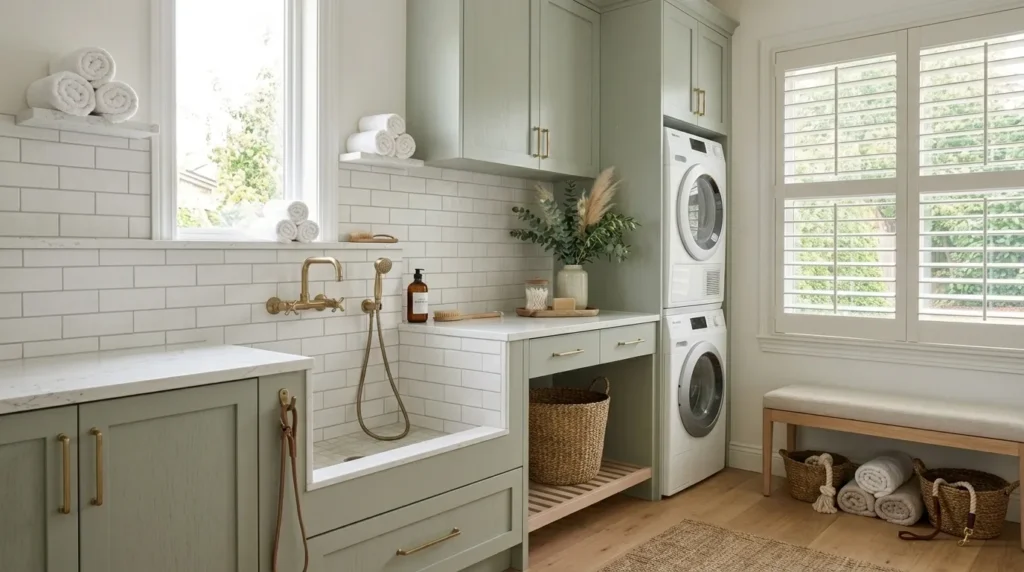
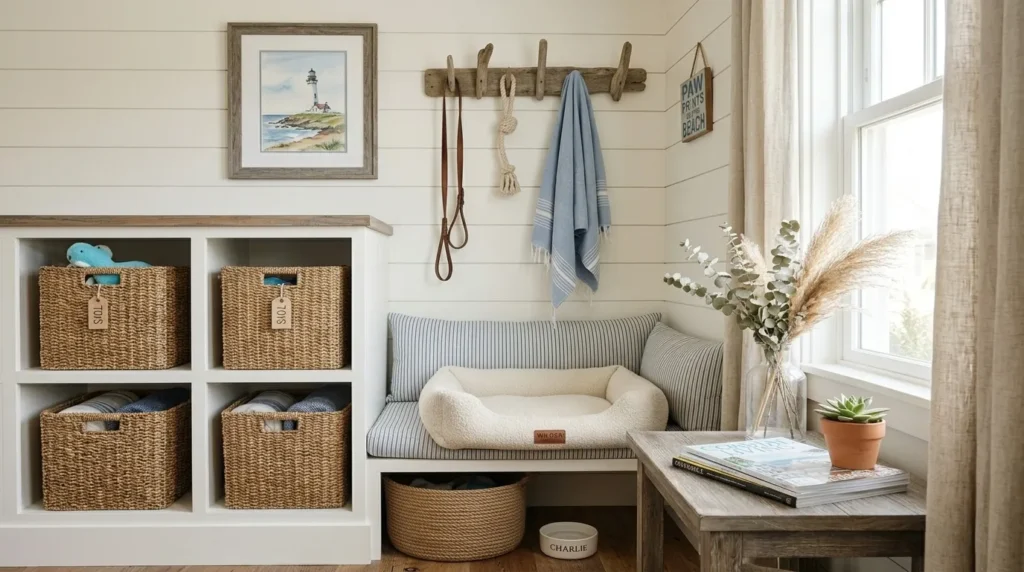
A secret kitten hideout built into your home’s walls and corners is a purpose-designed nook, recess, or cavity — integrated directly into the architecture of your home — that gives kittens a safe, enclosed, den-like space to retreat, sleep, and observe without occupying floor space or disrupting your interior design. This article gives you 15 genuinely creative, buildable hideout ideas that disappear into your walls and corners so seamlessly that guests notice the design before they notice the cat.
There is something deeply satisfying about a home that hides its best secrets in plain sight. A kitten pressed into a wall nook, peering out from behind a bookshelf panel, or curled inside a corner cavity that looks like architecture — these are the details that make a home feel alive in a way that furniture alone never can. The best kitten hideouts do not announce themselves. They reward the people who look closely. Here are 15 ideas worth saving — and stealing.
Why Secret Kitten Hideouts Work So Well
The secret kitten hideout concept draws from two distinct design traditions that have converged in the contemporary pet-inclusive interior. The first is Japanese kotatsu and tokonoma culture — the Japanese practice of designating specific architectural recesses as meaningful spaces within a room, where the recess itself carries as much design intention as what sits inside it. The second is the Scandinavian built-in furniture tradition, which prioritizes seamless integration of functional elements into wall planes and cabinetry systems, eliminating the visual noise of freestanding objects. A kitten hideout built into a wall or corner combines both impulses: it gives the cat a behaviorally meaningful enclosed space while adding an architectural detail that improves the room rather than cluttering it.
The materials that define the best built-in kitten hideouts are those already present in the home’s interior palette. Painted MDF for wall niches and cabinetry surrounds — in the same colour as the adjacent wall — creates the seamless disappearing-act effect. Unfinished white oak or smoked ash for shelf-integrated hideouts connects the cat’s space to the room’s furniture story. Upholstered interiors in boucle, linen, or velvet in warm ivory, dusty blush, or soft charcoal give the nook a finished, intentional quality that distinguishes it from a hole in the wall. Hardware — where visible — should match the room’s existing handles and hinges: brushed brass, matte black, or polished nickel.
The trend has grown significantly since 2022, driven by two intersecting forces. The first is the mainstreaming of pet-inclusive interior design as a serious discipline — publications including Architectural Digest, Dezeen, and Apartment Therapy now regularly feature architect-designed pet spaces as legitimate interior design content. The second is the growth of the kitten fostering and rescue community, which created a large population of home owners actively designing indoor spaces optimised for small, vulnerable cats who need enclosed, secure environments during socialisation. Pinterest searches for “built-in cat nook” and “hidden cat space” grew over 180% between 2021 and 2024.
Small homes and apartments can achieve every idea in this list — in fact, wall and corner hideouts are specifically advantageous in compact spaces because they consume zero floor area. The key constraint is structural: load-bearing walls cannot be recessed without engineering approval, but non-load-bearing partition walls (the interior walls that divide rooms rather than support the structure) are almost always candidates for niche creation between studs. In rental situations, freestanding built-in-look solutions — bookcases with hidden cat doors, corner shelf systems, and furniture-integrated hideouts — replicate the effect without permanent modification.
Style at a Glance
| Element | Detail |
|---|---|
| Philosophy | The cat’s space disappears into the home’s architecture — design first, pet function second |
| Key Materials | Painted MDF, white oak, boucle, linen, velvet, birch ply interior lining |
| Color Palette | Warm ivory, dusty blush, soft charcoal, greige, smoked ash, brushed brass |
1. Between-Stud Wall Niche with Flush Painted Door

Vibe: Hushed — the wall holds a secret it only shares when you look closely enough.
Why it works: The between-stud wall niche is the purest expression of the disappearing hideout concept. Standard timber framing creates cavities 90mm deep × 400mm wide between each pair of studs — exactly the right proportions for a kitten sleeping nook without removing any structural material. The flush push-to-open door panel, painted in the exact same colour and finish as the surrounding wall, makes the hideout invisible when closed. The push-to-open magnetic catch means no handle interrupts the wall plane — the door is found only by those who know to press. For kittens specifically, the enclosed depth and narrow width of the between-stud cavity creates a den-like constriction that mimics the natural hollow spaces where small cats instinctively seek shelter.
How to get it: Remove the plasterboard between two adjacent studs on a non-load-bearing wall. Frame a door opening using 42mm × 19mm pine stops recessed flush to the wall face. Hang the door on a continuous piano hinge along one stud, and fit a magnetic push-to-open catch at the opposite side. Line the interior with 12mm birch ply painted in a contrasting interior colour — a warm dusty sage or terracotta reads as a designed interior moment when the door is opened.
Quick Win: A magnetic push-to-open catch ($8–15 at any hardware store) is the single component that makes a flush door truly seamless — it eliminates the need for any handle, knob, or visible hardware on the wall face.
Shop the Look
| Product |
|---|
| Magnetic push to open cabinet catch |
| Piano hinge continuous stainless steel |
| Birch plywood sheet 12mm interior |
| Oatmeal boucle fabric by the yard |
| Interior wall paint warm ivory |
Also view: 17 Wooden Cat House Designs for Stylish Backyards
2. Corner Bookshelf with Hidden Cat Door Panel

Vibe: Layered — a room that rewards the curious, one panel at a time.
Why it works: Corner bookshelf systems create a natural dead zone behind them — the triangular cavity between the back of the bookshelf and the two walls of the corner. This space is typically wasted, accumulating dust behind a structure that was never designed to be accessed. Converting it into a kitten hideout by cutting a circular cat door through the bookshelf’s side panel requires no structural work and adds a design feature that doubles as conversation piece and genuine feline sanctuary. The circular door references the traditional cat flap language while reading as a deliberate design aperture — especially when the circle edge is finished with a thin brass or painted timber ring surround that frames it as a feature rather than a utility cut.
How to get it: Cut a 15cm diameter circle through the side panel of the bookshelf using a jigsaw with a fine-tooth blade. Sand the edge smooth and apply an iron-on veneer edge strip in the same finish as the bookshelf for a clean surround. Line the corner cavity behind with a linen-covered cushion cut to fit the triangular floor plan of the space.
Shop the Look
| Product |
|---|
| Iron-on veneer edge strip white |
| Linen fabric cushion cover |
| Floor-to-ceiling bookcase unit white |
| Brass ring door surround small |
| Corner shelf connector bracket |
3. Under-Stair Triangle Kitten Den with Arched Entry

Vibe: Sheltered — a corner of the house that finally knows what it is for.
Why it works: The triangular void beneath a staircase is one of the most consistently wasted spaces in any home — too awkward for storage, too shallow at the narrow end for furniture. For a kitten, that awkward diminishing geometry is a feature, not a flaw: the narrowing depth creates a naturally graduated den that is large enough to enter and sleep in at the wide end, but compressed and secure at the narrow end where the stair descends to baseboard height. The arched entry at baseboard level positions the entry at kitten height without requiring the cat to jump, which is especially important for very young or newly rescued kittens whose coordination and confidence are still developing.
How to get it: Frame the arch opening using a router and an arch template cut from 6mm MDF. Tile the arch surround in a geometric cement tile (10cm × 10cm) in a pattern that reads as an intentional architectural detail — this single material addition transforms the arch from a hole-in-the-wall to a designed threshold. Line the interior in a washable velvet or microsuede and install a battery-operated warm LED strip along the interior ceiling at 2200K.
Quick Win: A battery-operated LED strip light in warm white ($12–20) inside any enclosed kitten hideout creates an immediate sense of warmth and habitation — cats are drawn to the gentle warmth of LEDs, and the glow makes the hideout visible and inviting from across the room.
Shop the Look
| Product |
|---|
| Battery operated LED strip warm white |
| Cement geometric tile small pattern |
| Charcoal velvet fabric by the yard |
| Miniature brass wall sconce plug-in |
| Arch router template MDF |
4. Recessed Baseboard Kitten Nook at Floor Level

Vibe: Grounded — the room’s quietest detail, three inches above the floor.
Why it works: The baseboard-level nook is the most architecturally honest hideout in this list — it does not pretend to be anything other than a small, purposeful cavity at the base of a wall, and that honesty is exactly what gives it its design character. By keeping the opening horizontal and low — matching the proportion of the baseboard itself — the nook reads as an extension of the room’s existing architectural detailing rather than an interruption of it. For kittens, the floor-level position is behaviorally significant: it requires no jumping, no coordination, and no height assessment — the kitten walks directly in from the floor, which makes it the most accessible hideout option for very young kittens or newly rescued cats still building confidence.
How to get it: Cut the opening between studs at baseboard height — 200mm tall × 400mm wide is the correct proportion to match standard baseboard scale. Frame the opening with the same baseboard profile used throughout the room, mitered at the corners so the nook reads as a continuation of the wall’s existing trim language. Line with a removable sherpa panel on a velcro backing for washing.
Shop the Look
| Product |
|---|
| Baseboard trim moulding profile |
| Ivory sherpa fabric panel |
| Velcro adhesive strip heavy duty |
| Small woven entry mat natural |
| Interior wall paint soft white |
5. Wardrobe False-Back Secret Hideout

Vibe: Playful — a Narnia moment at the back of the wardrobe, scaled for a kitten.
Why it works: The false back panel within an existing wardrobe is the most narrative hideout in this list — it references the oldest secret-door trope in domestic architecture while delivering a genuinely functional kitten space. The wardrobe cavity creates a naturally dark, enclosed environment behind the false panel: the hanging clothes act as an additional noise and light buffer, and the enclosed space warms significantly from the heat of clothing and the limited air circulation — ideal winter sleeping conditions for a small kitten. The panel itself operates on the same push-to-open magnetic catch system as Idea 1, so it appears to be a fixed wardrobe back until pressed.
How to get it: Cut the false panel from 9mm MDF to fit the wardrobe back frame exactly. Hang on two concealed pivot hinges at the top and bottom edges rather than a side-mounted hinge — this allows the panel to swing outward from the center without a visible hinge gap at the side. Line the cavity behind with a dusty pink or terracotta linen to create a warm interior that photographs as a designed moment when the panel is opened.
Quick Win: Concealed pivot hinges ($12–20 per pair) allow a panel to open from its center without any visible hinge on the face — the panel appears to be fixed until it is pushed, creating the full secret-door effect with standard hardware.
Shop the Look
| Product |
|---|
| Concealed pivot hinge pair |
| Dusty pink linen fabric by the yard |
| Magnetic push to open catch |
| 9mm MDF sheet interior |
| Small velvet cushion blush |
6. Wall-Mounted Corner Shelf Hideout with Curtain Entry

Vibe: Textured — a corner that came alive when the curtain was added.
Why it works: The L-shaped corner shelf hideout is the highest-value small apartment solution in this list because it requires no structural work, no carpentry skill, and no permanent wall modification beyond two shelf bracket screws. The corner position creates a three-sided enclosure naturally — two walls and the L-shaped shelf above form the hideout’s ceiling and two walls, leaving only the front face open. The curtain on a tension rod closes that face, giving the kitten darkness and enclosure without any additional construction. At 1.2 meters height, the hideout sits above dog access height and at the elevated vantage point kittens prefer for both sleeping and observation.
How to get it: Mount two 400mm × 250mm floating shelves in an L-configuration in a corner, using heavy-duty wall anchors rated for 20kg minimum. The tension rod for the curtain fits between the shelf front edge and the adjacent wall — no drilling required. Choose a curtain fabric that is light enough to move easily when the kitten enters but heavy enough to hang with a convincing drape: a medium-weight cotton or linen works best.
Shop the Look
| Product |
|---|
| Floating shelf bracket wall mount |
| Tension curtain rod adjustable small |
| Natural cotton fabric curtain panel |
| Trailing pothos plant hanging |
| Ceramic wall candle holder |
7. Behind-the-Headboard Secret Kitten Alcove

Vibe: Intimate — the bedroom’s warmest secret, a foot from where you sleep.
Why it works: The space behind a built-in headboard wall unit is architecturally identical to a between-stud wall cavity — it exists in the gap between the headboard structure and the wall face behind it. For kittens with separation anxiety (common in newly rescued cats), sleeping within proximity of their owner’s scent and breathing is behaviorally significant — it provides the olfactory reassurance that reduces nighttime distress vocalisation. The hideout behind the headboard places the kitten at the ideal proximity: close enough to detect the owner’s presence and scent, enclosed enough to feel secure, and separated enough that the cat maintains its own defined space rather than competing for bed territory.
How to get it: Build the headboard unit with a 200mm deep cavity behind one side panel — the side closest to the wall rather than the aisle side. Frame the arch opening in the side panel at baseboard level using a router. Line the interior in a washable terracotta linen panel on velcro backing. Ensure the cavity has a ventilation gap of at least 50mm at the top to prevent heat build-up in warm weather.
Quick Win: A 50mm ventilation gap at the top of any enclosed kitten hideout — left open rather than sealed — passively circulates air without requiring a grille or fan, preventing the moisture and heat accumulation that makes enclosed spaces uncomfortable in summer.
Shop the Look
| Product |
|---|
| Terracotta linen fabric by the yard |
| Router arch template set |
| Velcro adhesive strip heavy duty |
| Linen bedside table lamp |
| Headboard wall unit flat pack |
8. Kitchen Toe-Kick Drawer Converted to Kitten Nook

Vibe: Clever — the most useful 100mm of kitchen cabinetry ever designed.
Why it works: Kitchen toe-kick spaces — the recessed cavity at the base of standard base cabinets, typically 100mm tall × the width of the cabinet — are the most universally wasted space in any kitchen. Converting one section into a pull-out kitten sleeping drawer uses a space that already exists, requires no wall modification, and places the kitten in the warmest zone of the kitchen floor plan: the base of kitchen cabinetry is warmed from below by underfloor heating where present, and from the thermal mass of the cabinet above. The pull-out drawer mechanism means the nook can be closed flush with the toe-kick face when not in use — it becomes completely invisible from standing height and presents no trip hazard.
How to get it: Remove the existing toe-kick panel from one cabinet section. Build a shallow drawer box 90mm tall × full cabinet width using 9mm birch ply, fitted to low-profile drawer runners rated for floor-level installation. Line the drawer interior in grey microsuede on a velcro-removable panel. Fit a small flush pull in matte black or brushed brass to match the kitchen hardware.
Shop the Look
| Product |
|---|
| Low profile drawer runner set |
| Grey microsuede fabric panel |
| Flush cabinet pull matte black |
| Birch ply sheet 9mm |
| Small ceramic pet water bowl white |
9. Living Room Window Seat Hidden Kitten Cave

Vibe: Airy — sunlight above, a warm cave below; the kitten has the best of both.
Why it works: The window seat box is structurally a bench with an enclosed interior — a cavity that already exists below the seat cushion. The key design move here is accessing it not from above (the standard lift-lid approach) but from the end panel via a porthole opening, which preserves the seat’s function for humans while giving the kitten a separate, undisturbed entry that does not require anyone to lift the cushion. The porthole position on the end panel means the kitten can see into the room from inside the cave — the circle acts as a surveillance window that satisfies the cat’s need to monitor its environment without exposing itself. The indirect natural light from the window above warms the interior without direct sun exposure, which cats prefer for sleeping.
How to get it: Cut a 15cm diameter porthole using a hole saw drill attachment in the end panel of an existing or new window seat box. Finish the porthole edge with an iron-on edge strip or a thin timber ring glued flush. Install a 2200K LED strip along the interior ceiling of the seat box to create the warm amber glow visible through the porthole from the room.
Quick Win: A standard 15cm hole saw attachment for a standard drill ($15–25 at any hardware store) cuts a perfect porthole in any timber panel in under two minutes — no jigsaw required, no rough edges.
Shop the Look
| Product |
|---|
| Hole saw attachment 150mm drill bit |
| Iron on edge strip white |
| LED strip warm white 2200K |
| Linen window seat cushion cover |
| Trailing plant hanging indoor |
10. Hallway Niche Gallery Wall with Hidden Kitten Door

Vibe: Editorial — a hallway that earns a second look every single time.
Why it works: The picture-frame door is the most conceptually satisfying secret hideout in this list because it inverts the expected function of a gallery wall entirely — the artworks become the camouflage, and the one object that looks most like decoration is the only one that actually opens. This is a direct reference to the hidden door tradition in European domestic architecture, scaled to interior design rather than Gothic castle proportions. For the kitten, the niche behind the frame-door is positioned at wall height — accessible via a small ramp or a low console table below — and the enclosed darkness of the cavity, surrounded by the thermal mass of the hallway wall on three sides, creates a naturally stable-temperature sleeping environment that stays warmer than ambient room temperature in winter.
How to get it: Build a deep shadow box frame (minimum 150mm deep, to allow a comfortable kitten cavity) from 42mm dressed pine and hang on two concealed European cup hinges recessed into the top and bottom of the frame. The frame face should hold a real artwork on a removable clip system — so from the front, it is indistinguishable from every other framed piece on the wall.
Shop the Look
| Product |
|---|
| European concealed cup hinge pair |
| Shadow box frame deep 150mm |
| Picture frame clip mounting system |
| Console table hallway narrow |
| Gallery wall frame set assorted |
11. Bathroom Vanity Cabinet Kitten Nook

Vibe: Calm — the bathroom’s most unexpected design feature.
Why it works: Bathroom vanity cabinets are among the most cat-frequented spaces in any home — the combination of warm pipes, enclosed darkness, and owner proximity makes bathrooms a default retreat zone for kittens. Rather than fighting this behavioral pattern, the vanity nook design works with it: the lower cabinet section is converted from storage to a kitten sleeping space, positioned exactly where the kitten already wants to be. The stone-grey microsuede interior is a practical material choice specifically for the bathroom context — it is moisture-resistant, easy to wipe clean, and does not absorb the bathroom humidity that would cause a fabric lining to develop odour over time.
How to get it: Remove one lower cabinet door and cut an arch opening in a new replacement panel using a jigsaw. The arch should clear the cabinet hinge location by at least 30mm to allow the panel to be re-hung. Line with a removable microsuede panel on a velcro backing — in a bathroom context, removability for washing is more important than in any other room.
Quick Win: Stone-grey microsuede fabric from a fabric store ($12–18 per meter) is the most practical lining material for any kitten hideout in a high-humidity room — it repels moisture rather than absorbing it, and wipes clean with a damp cloth.
Shop the Look
| Product |
|---|
| Stone grey microsuede fabric |
| Jigsaw fine tooth blade set |
| Velcro adhesive hook and loop strip |
| Small potted succulent bathroom |
| Timber vanity cabinet freestanding |
12. Fireplace Alcove Kitten Den with Safety Grate

Vibe: Traditional and warm — the kind of living room corner that looks like it was always meant to have a cat.
Why it works: The recessed alcoves flanking a fireplace breast are the most architecturally generous spaces in a traditional home — they are deep, enclosed on three sides, and positioned adjacent to the heat source that cats have sought out for millennia. Converting the lower section of a fireplace alcove into a kitten den requires no structural modification — the alcove already exists as a fully formed three-sided recess. The decorative iron safety grate as the entry door is the critical design choice: it provides a visual barrier that keeps the kitten contained when needed (important for newly rescued kittens still being introduced to the home) while reading as a period-appropriate architectural detail rather than a pet enclosure. The grate bars also allow the kitten to see out — reducing the anxiety of full enclosure.
How to get it: Source a decorative iron fire grate or register grate from an architectural salvage yard — these are sized to standard fireplace alcove widths (600–900mm) and already fitted with hinge hardware in most cases. Line the alcove interior with a burgundy or deep jewel-tone velvet that reads as a design complement to the fireplace’s existing surround materials.
Shop the Look
| Product |
|---|
| Decorative iron grate door salvage style |
| Burgundy velvet fabric by the yard |
| Brass floor lamp traditional |
| Architectural salvage iron hardware |
| Alcove shelf bracket pair |
13. Under-Bed Corner Nook with Tunnel Entry

Vibe: Intimate — the kitten’s world begins at the corner of yours.
Why it works: The tunnel entry is the most behaviorally sophisticated design element in this list. Cats — particularly kittens still building confidence in a new environment — prefer entries that require directional commitment: a tunnel forces the cat to enter in a single orientation, which eliminates the exposed flank vulnerability of a wide open entry hole. The tunnel also functions as a transitional decompression zone between the open room and the enclosed den, which behavioral research on felid species consistently identifies as reducing the cortisol spike associated with moving between open and enclosed spaces. For a newly rescued kitten, this transition zone can meaningfully reduce the stress of entering and exiting the hideout repeatedly during the day.
How to get it: Construct the tunnel from a 200mm diameter PVC pipe section 400mm long, wrapped in natural cotton canvas stitched at the seam. The den at the tunnel end should be at minimum 400mm × 400mm internally — larger than the tunnel, so the kitten experiences an expansion of space on arrival, which reinforces the den as a place of reward.
Quick Win: A 200mm PVC pipe offcut from any plumbing supplier ($5–10 for a 400mm section) wrapped in canvas or sisal creates a convincing tunnel entry for any existing kitten hideout without carpentry or construction.
Shop the Look
| Product |
|---|
| 200mm PVC pipe section plumbing |
| Natural cotton canvas fabric |
| Woven bedroom rug neutral |
| Ceramic bedside pot small |
| Platform bed frame low profile |
14. Laundry Room Wall Pocket Kitten Nook

Vibe: Practical and warm — the laundry room’s best kept secret.
Why it works: The laundry room is one of the most consistently cat-preferred spaces in any home, for a reason that is purely thermal: the residual warmth from dryer exhaust and the warm air surrounding operating washing machines raises the ambient temperature of a laundry room 3–5°C above the rest of the house. A wall nook built into the laundry at bench height captures this warmth passively — no heating element required. The rounded rectangular opening (wider than tall, like a cat flap scaled up) at bench height positions the kitten at a mid-level vantage point, and the proximity to the washing machine’s vibration and hum — which many cats find deeply soothing due to its similarity to low-frequency purring resonance — makes this the most instinctively used hideout of any in this list.
How to get it: Cut the opening between studs at bench height — 300mm wide × 200mm tall is the correct proportion for the rounded rectangle profile. Frame with a 19mm painted pine surround with radiused corners (use a radius corner chisel or a Dremel with a round bit to achieve the rounded corner detail). Line with a removable grey linen panel on velcro backing.
Shop the Look
| Product |
|---|
| Grey linen fabric panel washable |
| Radius corner chisel woodworking |
| Painted pine board 19mm |
| Small succulent pot laundry shelf |
| White subway tile adhesive |
15. Reading Nook Bench with Integrated Kitten Cubby

Vibe: Cozy and layered — a reading nook that knows exactly who shares it.
Why it works: The reading nook bench is the most human-and-cat-integrated design in this list — it places the kitten’s hideout physically within the space where their owner most consistently sits still and quiet for extended periods. Behavioral research on feline-human bonding consistently identifies prolonged calm human proximity as the primary driver of kitten socialisation and confidence development. A kitten hideout built into the base of a reading nook bench means the kitten can hear and smell their owner directly above them during the exact activity — reading — that provides the long, still, quiet sessions that accelerate bonding. The dusty sage velvet interior introduces a colour that reads as a designed complement to warm ivory and natural linen, turning the kitten cubby into a colour-blocked design moment at bench base level.
How to get it: Build the cubby into the end section of the bench base — the end panel is the correct face for the arch, as it presents to the room rather than disappearing under the bench seat. The arch should be 200mm wide × 180mm tall — sized for a kitten now but proportioned for a full-grown cat in 6–12 months. Line the interior with dusty sage velvet on a removable panel and add a small self-warming pet pad on the floor of the cubby.
Quick Win: A self-warming pet pad ($20–35) placed in any kitten hideout raises the interior temperature using only the kitten’s own body heat reflected back — no power, no cords, and enough warmth to make any hideout a first-choice sleeping destination even in a cool room.
Shop the Look
| Product |
|---|
| Dusty sage velvet fabric by the yard |
| Self-warming pet pad small |
| Knitted throw blanket warm ivory |
| Reading nook bench cushion cover |
| Arch router template MDF |
How to Start Your Secret Kitten Hideout Transformation
Your single first move is to observe your kitten for 48 hours before building anything — and to note, specifically, which corners, cavities, and enclosed spaces they already gravitate toward. Kittens are not random in their spatial preferences: they will consistently return to the same two or three locations in a home, and those locations tell you exactly where a hideout will actually be used versus where it will be ignored. The most beautifully built hideout placed in the wrong location is an empty decoration; a simple linen-lined cavity in the corner your kitten already claims will be slept in within the first hour.
The most common mistake is building the hideout too large. First-time builders consistently overscale, reasoning that a bigger space is more comfortable — but a kitten in a too-large cavity cannot warm the interior with its own body heat, and the space feels exposed rather than enclosed. The correct interior for a kitten is snug: 350mm × 350mm floor plan, 300mm ceiling height. A space the kitten can touch on three sides when lying down is a space the kitten reads as safe. If you are building for a kitten that will grow into a full-sized cat, build at 400mm × 400mm × 350mm — this is the upper limit of the snug zone for most domestic cats.
Three specific items under $50 that create immediate impact: (1) A magnetic push-to-open catch ($8–15 at any hardware store) fitted to any existing cabinet door transforms a standard cupboard into a seamless secret hideout with no visible hardware on the face. (2) A half-meter of dusty sage, terracotta, or charcoal velvet fabric ($10–18 at a fabric store) cut to size and applied to a plain interior with velcro creates a colour-blocked designed interior in under 30 minutes. (3) A battery-operated warm LED strip at 2200K ($12–20 online) installed inside any enclosed cavity makes the hideout glow warmly from across the room and draws the kitten in through the same visual warmth instinct that attracts cats to fires and heated blankets.
Realistically, a single between-stud wall niche with a flush painted door — the most architecturally resolved hideout in this list — costs $80–200 in materials and a skilled weekend of work. A corner bookshelf with a hidden cat door costs $150–350 depending on the bookshelf. A full reading nook bench with integrated kitten cubby, custom arch, and velvet lining runs $400–900. Most people start with the simplest option available in their existing home — a wardrobe false-back panel or a window seat porthole — and build confidence with that before commissioning the more architectural interventions. The kitten does not care about the build quality or the budget; it cares that the space is enclosed, warm, and close to you.
Frequently Asked Questions About Secret Kitten Hideouts
What is the difference between a kitten hideout and a regular cat bed?
A kitten hideout is an enclosed, fixed architectural space — integrated into a wall, corner, or piece of furniture — that the kitten retreats into rather than sleeping on top of. A regular cat bed is a freestanding surface object. The behavioral difference is significant: enclosed hideouts satisfy the instinctive den-seeking behavior that all small felids exhibit, particularly in the first 6–12 months of life when kittens are still developing their confidence and territorial security. Enclosed spaces also maintain warmth more effectively than open beds, reduce sensory overstimulation during sleep, and provide a retreat zone that the kitten controls — it can enter and exit independently, which is an important component of feline psychological autonomy.
What colors work best for kitten hideout interiors?
Warm, mid-depth tones work best for hideout interiors because they create visual warmth without the reflective brightness of white or pale surfaces, which can feel exposing rather than sheltering in a small enclosed space. Dusty sage, terracotta blush, warm charcoal, and soft burgundy are all reliable interior choices — they read as designed moments when the hideout door is opened, and they photograph well in natural light. Avoid bright white interiors: they show every hair and scratch mark within days and lose their designed quality quickly. Avoid very dark colours like near-black or deep navy in small hideouts: they absorb what little light enters and can make the interior feel oppressive rather than sheltered, particularly for kittens still building confidence in enclosed spaces.
How much does a built-in secret kitten hideout cost to build?
The simplest built-in kitten hideouts — a between-stud wall niche, a window seat porthole, or a wardrobe false-back panel — cost $80–250 in materials with DIY installation. Mid-range hideouts with custom arch entries, velvet lining, and integrated LED lighting run $250–500. A fully designed reading nook bench with integrated kitten cubby, custom arch joinery, and professional installation costs $500–1,200. The materials cost is almost always under $200 for any single hideout; the variable is whether you hire a carpenter ($80–150 per hour) or build it yourself. Most of the ideas in this list are designed to be achievable with basic DIY skills — a drill, a jigsaw, sandpaper, and paint.
Can I build a secret kitten hideout in a rental apartment without damaging walls?
Yes — with the right approach. Freestanding solutions that replicate the effect without permanent modification include: a corner bookshelf with a hidden cat door panel (two shelf bracket screws, easily patched); a window seat box freestanding on the floor with a porthole end panel; a wardrobe false-back panel using concealed pivot hinges inside an existing wardrobe; and a wall-mounted corner shelf hideout with a curtain entry, using heavy-duty adhesive shelf brackets on painted walls rather than screws. In each case, the modification touches the wall at only two or three points, which are easily filled and painted on moving out. The curtain-entry corner shelf is the most rental-friendly option of all — it requires only two shelf bracket screws and creates a hideout that looks completely intentional and designed.
What safety considerations are important when building a kitten hideout inside walls or furniture?
Four safety checks apply to every built-in kitten hideout. First, ventilation: any fully enclosed space must have a minimum 50mm gap at the top or a ventilation grille on the rear panel — an airtight cavity can accumulate dangerous CO2 and moisture within hours. Second, edge finishing: all timber edges at the entry opening must be sanded to 240-grit smooth and sealed — kittens rub their face and whiskers against entry edges and rough or sharp surfaces cause whisker and facial injury. Third, paint and finish toxicity: interior surfaces must be finished with water-based paint or varnish only — solvent-based finishes off-gas VOCs in the enclosed space that are concentrated and harmful to small cats. Fourth, size: the entry opening must be large enough for the cat to enter and exit without compression of the ribcage — 13cm diameter minimum for a kitten, 15cm for a full-grown cat.
Ready to Create Your Dream Secret Kitten Hideout Home?
These 15 ideas span the full range of what a secret kitten hideout can be — from a between-stud flush-door niche and a kitchen toe-kick drawer to a picture-frame hallway door and a fireplace alcove with a salvaged iron grate — so whether your home is a compact rental apartment or a house with architectural features to work with, there is a genuinely buildable starting point here. Transformation at this scale is meant to be incremental: choose the one hideout that your kitten’s existing behavior is already asking for, build that first, and let the rest of the list grow into your home over time. Today’s specific action: spend 20 minutes watching where your kitten goes when the house is quiet — that corner, that cabinet base, that space behind the chair — and you will have your location before you have drawn a single plan. When the hideout is finished and your kitten disappears into the wall and reappears an hour later blinking slowly at you from the entry arch, you will have built something that functions as design, shelter, and relationship all at once. Save the ideas that matched your home’s existing architecture — the arch that echoes your doorways, the velvet colour that picks up your cushions — those are the ones worth building first.