Male vs Female Guinea Pigs: 9 Differences Before You Adopt
Choosing between male vs female guinea pigs is one of the first decisions a new owner faces — and the internet is full of confident claims, half of them contradictory. The honest answer is that both sexes make wonderful pets, but they do differ in size, behaviour, health risks, and how they bond. This guide lays out the 9 real differences so you can pick the right pair for your home with your eyes open, including the pairing most rescues recommend for beginners.
1. The Names: Boars and Sows
First, the vocabulary. An intact male guinea pig is a boar; an intact female is a sow. A neutered male is still called a boar (just a neutered one). You will also hear baby guinea pigs called pups — and yes, that is the correct term, even though they look nothing like puppies. Knowing the terms helps when talking to rescues and vets, who use them constantly.
2. Size: Boars Are Bigger
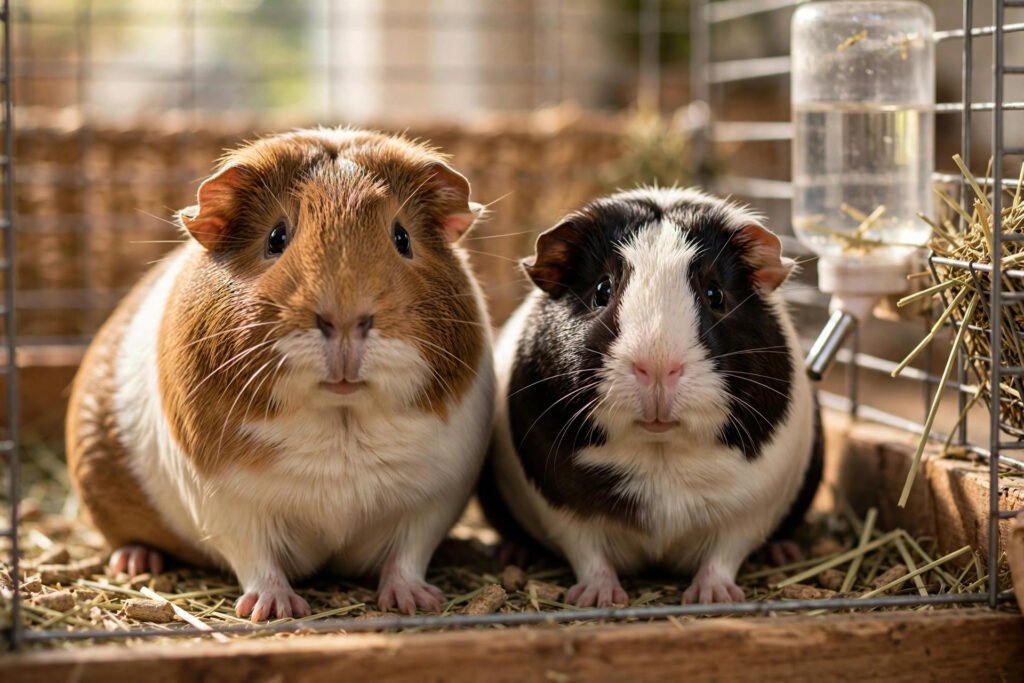
Adult boars typically weigh 900–1,200 g and are noticeably larger and broader-headed than sows, which usually sit at 700–900 g. The difference is visible once you see the two side by side — boars have chunkier bodies and wider skulls. Practically, this means boars eat a little more and benefit from slightly more space, but both sexes fit comfortably in the same recommended cage sizes. Size alone should never decide for you; temperament matters far more.
3. Behaviour: Boars Are Bolder, Sows Are Busier
The most commonly reported difference is temperament. Boars tend to be bolder and more outgoing — more likely to approach your hand, wheek loudly for food, and investigate new things. Sows are often described as more active and skittish — busier in the cage, quicker to startle, but sometimes quicker to settle into routines. These are tendencies, not rules: plenty of shy boars and bold sows exist. Individual personality outweighs sex every time, which is why meeting pigs before adopting (or working with a rescue that knows them) beats any generalisation.
4. Dominance Displays Are Louder in Boars
Both sexes establish hierarchies, but boars do it more theatrically. Rumblestrutting — the deep vibrating purr combined with a slow, swaying walk — is the classic boar dominance display, along with mounting, chin-raising, and the occasional nose-off. Sows rumblestrut too, but less often and less dramatically. In a bonded pair these displays are normal social negotiation, not fighting; they usually settle once the hierarchy is clear. Our guinea pig sounds guide decodes rumblestrutting and the rest of the vocal repertoire.
5. Bonding: Female Pairs Are the Easy Mode
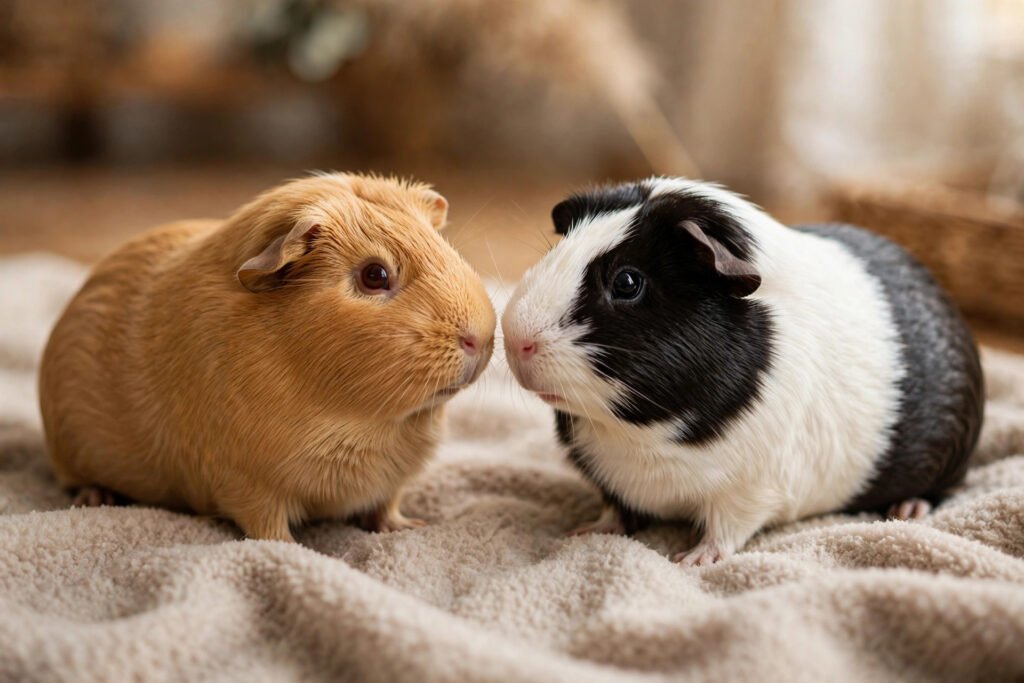
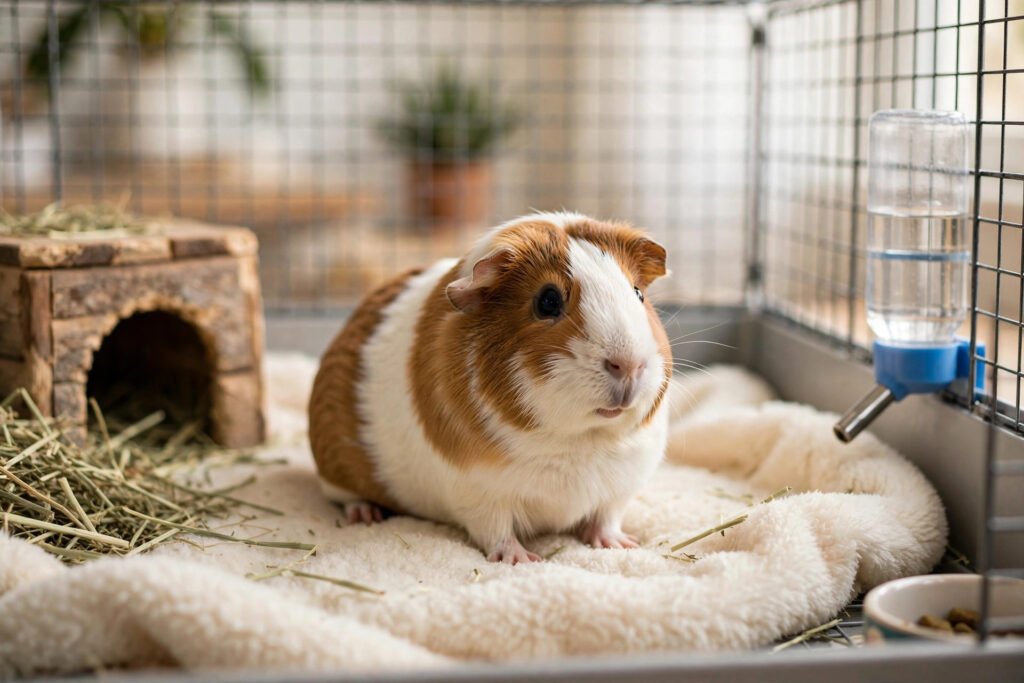
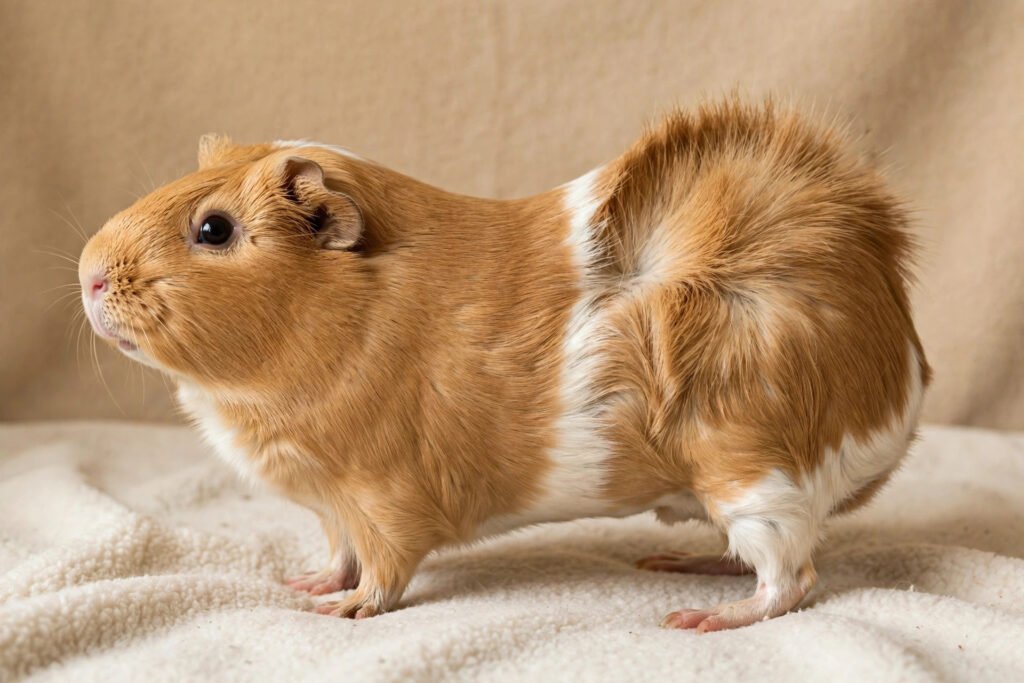
This is the difference that matters most in practice. A bonded pair of sows is the easiest, most reliable pairing — which is why rescues recommend them to first-time owners. Boar pairs absolutely can work and can be deeply bonded, but they are pickier: two boars need plenty of space, two of everything (hideouts, bottles, hay piles), and personalities that click. A bad boar match ends in real fights and a permanent split, while sows are far more forgiving of imperfect introductions. If you are set on boars, adopt an already-bonded pair from a rescue rather than assembling one yourself — and follow our step-by-step introduction guide to the letter.
6. Neutering Changes the Equation
A neutered boar can live happily with one or more sows — often considered the ideal group dynamic, since it sidesteps boar-to-boar rivalry while keeping the social group mixed. But neutering is real surgery with real cost (£60–£120+ in the UK, similar ranges elsewhere) and a mandatory 6-week post-op wait before he can safely join females, because boars remain fertile for weeks after the operation. Never house an intact boar with sows “just for a day” — guinea pigs breed with alarming efficiency, and pregnancy is risky for sows (see point 8).
7. Health Risks Differ by Sex
Each sex has its own classic health concerns. Sows are prone to ovarian cysts — very common in unspayed females over 2 years old, often signalled by hair loss on the flanks, crusty nipples, or behavioural changes; spaying eliminates the risk but is major surgery. Sows also face pregnancy risks: dystocia (difficult birth) is genuinely dangerous in guinea pigs, especially for first-time mothers over 7–8 months whose pelvic bones have fused. Boars are prone to perineal impaction in old age — a build-up of soft droppings and debris in the perineal sac that needs regular gentle cleaning — and to a sticky secretion called “boar glue” from the scent glands. Neither sex is “healthier” overall; they just need different watchfulness. Our vet checklist covers what to monitor at every life stage.
8. Lifespan Is Roughly Equal
Despite the size and behaviour differences, there is no meaningful lifespan gap between the sexes: both average 5–7 years with good care, and exceptional pigs of either sex reach 8+. Diet, housing, vet care, and genetics determine longevity far more than sex does. Do not choose based on who you think will live longer — choose based on which pairing fits your experience level and household.
9. So… Which Should You Get?
The short version: first-time owner? Get a bonded pair of sows from a rescue. It is the lowest-drama route to happy pigs. Experienced and up for the challenge? A bonded boar pair (or a neutered boar with sows) is equally rewarding — boars’ boldness makes them wonderfully interactive pets. Whatever you choose, adopt rather than buying from pet shops: rescues know their pigs’ personalities, bond pairs properly, and will match you with animals that suit your home. Sex is one factor among many — the individual pig in front of you matters most.
The RSPCA’s guinea pig care advice is a good companion read for pre-adoption research.
Frequently Asked Questions
Are male or female guinea pigs friendlier?
On average, boars are bolder and more likely to approach people, while sows can be more skittish — but individual personality varies enormously. The friendliest pig is the one whose temperament suits you, regardless of sex.
Can two male guinea pigs live together?
Yes — bonded boar pairs are common and happy. Success depends on space, two of every resource, and compatible personalities. Adopting an already-bonded pair from a rescue is far more reliable than introducing two strangers yourself.
Is it better to get two females?
For beginners, yes. Sow pairs bond more easily and tolerate imperfect introductions better than boar pairs. Most rescues recommend a female pair as the starter option.
Can a male and female guinea pig live together?
Only if the male is neutered — and only after the full 6-week post-neutering wait, since boars stay fertile for weeks. Intact male-female pairs will breed, and guinea pig pregnancy carries real risks for the sow.
Do male guinea pigs smell more?
Boars scent-mark more and produce “boar glue,” a sticky secretion from their scent glands, so they can be a little smellier — but with proper cage cleaning the difference is minor.
How can you tell a male from a female guinea pig?
Gently press just above the genital area: a boar’s penis will extrude as a small “i” shape, while a sow shows a Y-shaped opening. If unsure, ask a vet or rescue — mis-sexing is how accidental litters happen.