
Guinea pigs, or cavies, are adorable small pets that need proper nutrition to stay healthy, happy, and energetic. But as a responsible pet owner, you might be wondering: What do guinea pigs eat? This article gives you a simple yet professional breakdown of everything guinea pigs need in their diet (along with what to avoid) to help you give your furry friend the best life possible.
Let’s dive into the essentials of a guinea pig’s diet and how to build a healthy meal plan.
1. Hay: The Foundation of Their Diet
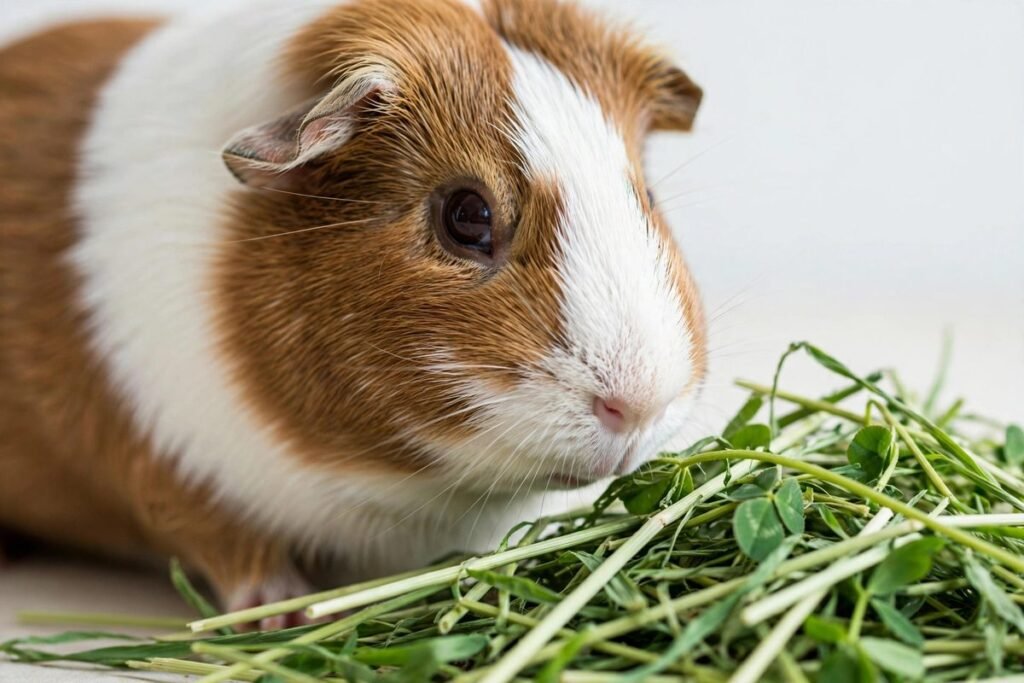
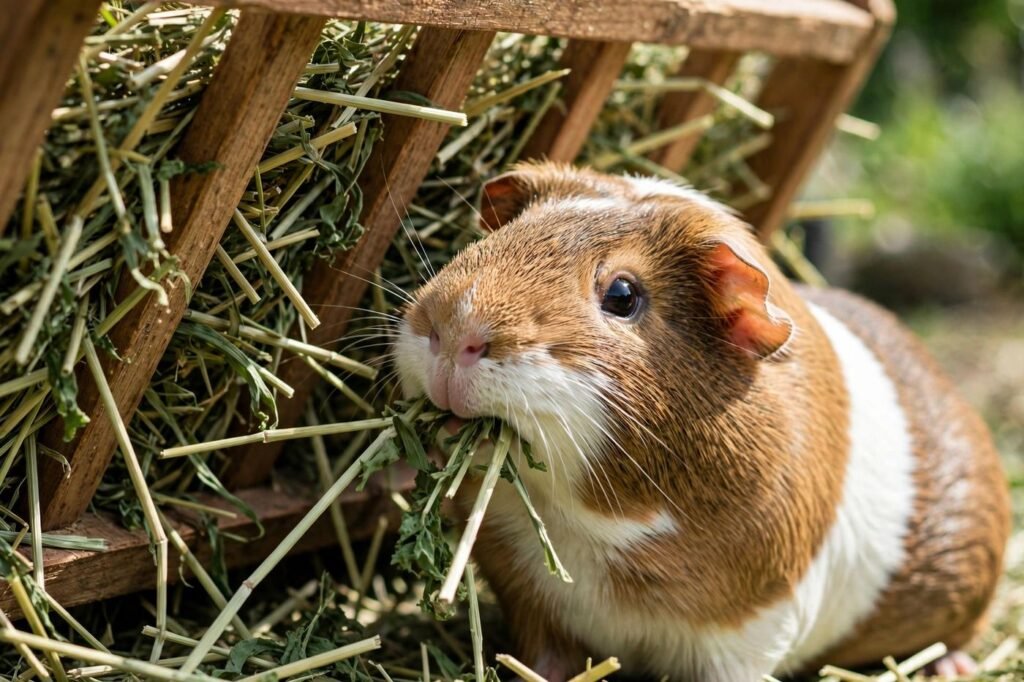
Timothy hay is the #1 food every guinea pig must have daily. In fact, about 80% of their diet should be made up of hay.
Why Hay Is So Important:
- Keeps their digestive system healthy
- Wears down their constantly growing teeth
- Provides essential fiber to prevent bloating and constipation
Other safe hay options: Orchard grass, meadow hay, and oat hay (great for variety).
Product Tip: Choose fresh, green, and dust-free hay from reputable brands like Oxbow or Kaytee for better quality.
2. Fresh Vegetables: Daily Nutrition Boost
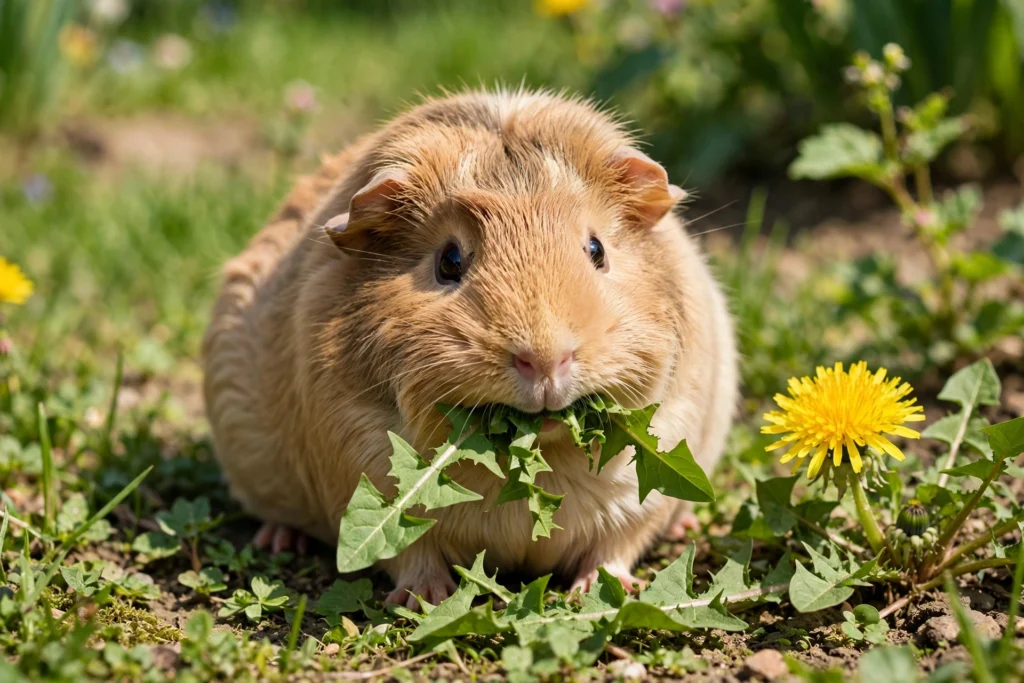
Guinea pigs need about 1 cup of fresh veggies daily. This adds necessary vitamins, minerals, and hydration to their diet.
Best Vegetables for Guinea Pigs:
| Safe Vegetables | Frequency | Benefits |
| Romaine lettuce | Daily | Hydrating, low calcium |
| Bell peppers (red/yellow) | Daily | Rich in Vitamin C |
| Cucumber | 2–3x/week | Hydrating, but low in nutrients |
| Carrots (small amount) | 1–2x/week | Tasty treat, high in sugar |
| Zucchini | Few times/week | Gentle on stomach |
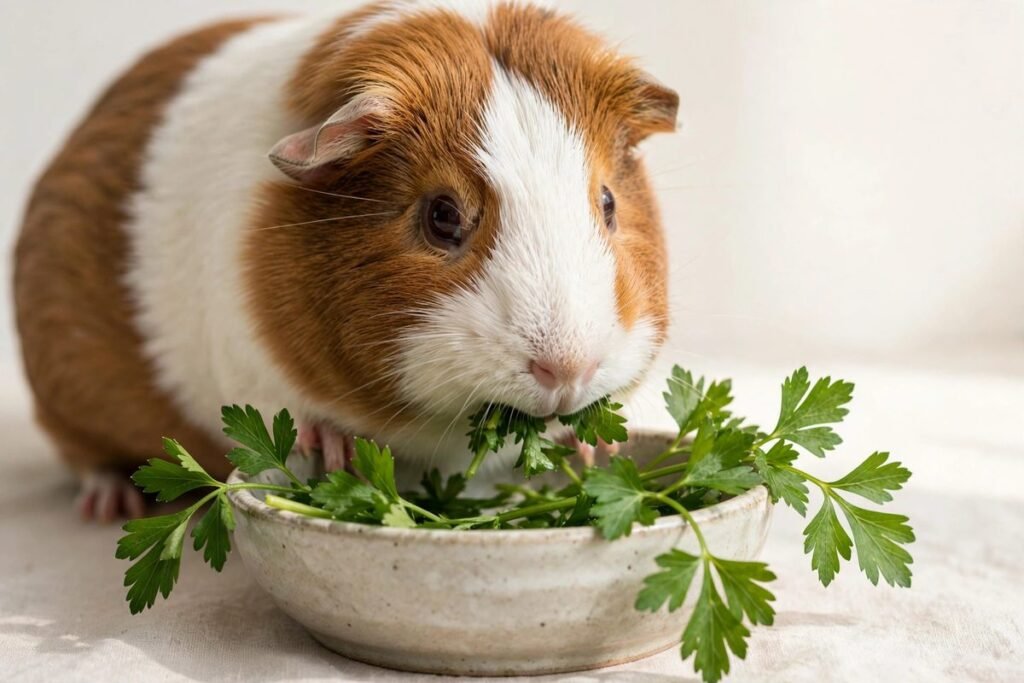
| Cilantro & Parsley | Weekly (small) | Good flavor but high calcium |
Avoid iceberg lettuce (low nutrients) and overfeeding high-calcium greens like spinach or kale.
3. Fruits: Occasional Sweet Treats
Fruits are high in sugar, so they should only be given 1–2 times per week in small quantities.
Safe Fruits (in moderation):
- Apple (no seeds)
- Orange (rich in Vitamin C)
- Strawberry
- Blueberry
- Banana (tiny slice only)
- Melon (like cantaloupe)
Important: Always wash fruits thoroughly and remove any pits or seeds before offering.
4. Vitamin C: A Must-Have Supplement
Guinea pigs cannot produce their own Vitamin C, so they must get it from food or supplements.
Options for Vitamin C Intake:
- Fresh bell peppers and citrus fruits
- Commercial guinea pig pellets with added Vitamin C
- Liquid Vitamin C drops (only in water or directly given)
Pro Tip: Never add Vitamin C to water bottles long-term—it degrades quickly and may reduce water intake due to taste.
5. Pellets: Extra Nutrition in Moderation
Pellets should be a supplement, not the main meal. Choose pellets made specifically for guinea pigs and avoid those with seeds, nuts, or dried fruit.
Recommended Serving:
- 1/8 cup per guinea pig per day
Look for brands with:
- No artificial colors or flavors
- Added Vitamin C
- High fiber content
Brands like Oxbow Essentials and Small Pet Select are trusted choices among guinea pig owners.
6. Water: Clean and Always Available
Fresh, clean water is essential. Use a water bottle or heavy dish that can’t be tipped over.
Change water daily to avoid bacterial growth.
7. Foods to Avoid Completely
Many foods that are safe for humans or other pets can be dangerous (even fatal) to guinea pigs.
Toxic or Unsafe Foods:
- Potatoes and potato leaves
- Onions, garlic, leeks
- Chocolate or any candy
- Dairy products
- Bread, crackers, and pasta
- Avocados (toxic)
- Rhubarb (poisonous)
- Meat or any animal-based food
Tip: If in doubt, don’t feed it. Always research new foods before offering them to your guinea pig.
Sample Daily Meal Plan for a Healthy Guinea Pig
Here’s an example of a balanced daily diet:
| Meal Time | Food |
| Morning | Unlimited Timothy hay + 1/8 cup guinea pig pellets |
| Afternoon | 1 cup of fresh veggies (mix of lettuce, bell pepper, cucumber) |
| Evening Treat | A small fruit piece (like 1 strawberry or apple slice) |
| All Day | Fresh, clean water and unlimited hay |
Final Thoughts: What Do Guinea Pigs Eat
Guinea pigs thrive on a natural, high-fiber diet with limited sugar and calcium. The best way to care for your furry friend is to stick with the basics (hay, fresh veggies, Vitamin C, and lots of love).
Avoid overcomplicating their diet with too many treats or unsafe foods. When in doubt, always go back to nature: what would a guinea pig eat in the wild?
For more guinea pig diet resources, see the RSPCA’s guinea pig feeding guide, our complete safe foods list, and guinea pig sounds and what they mean.

One Response